


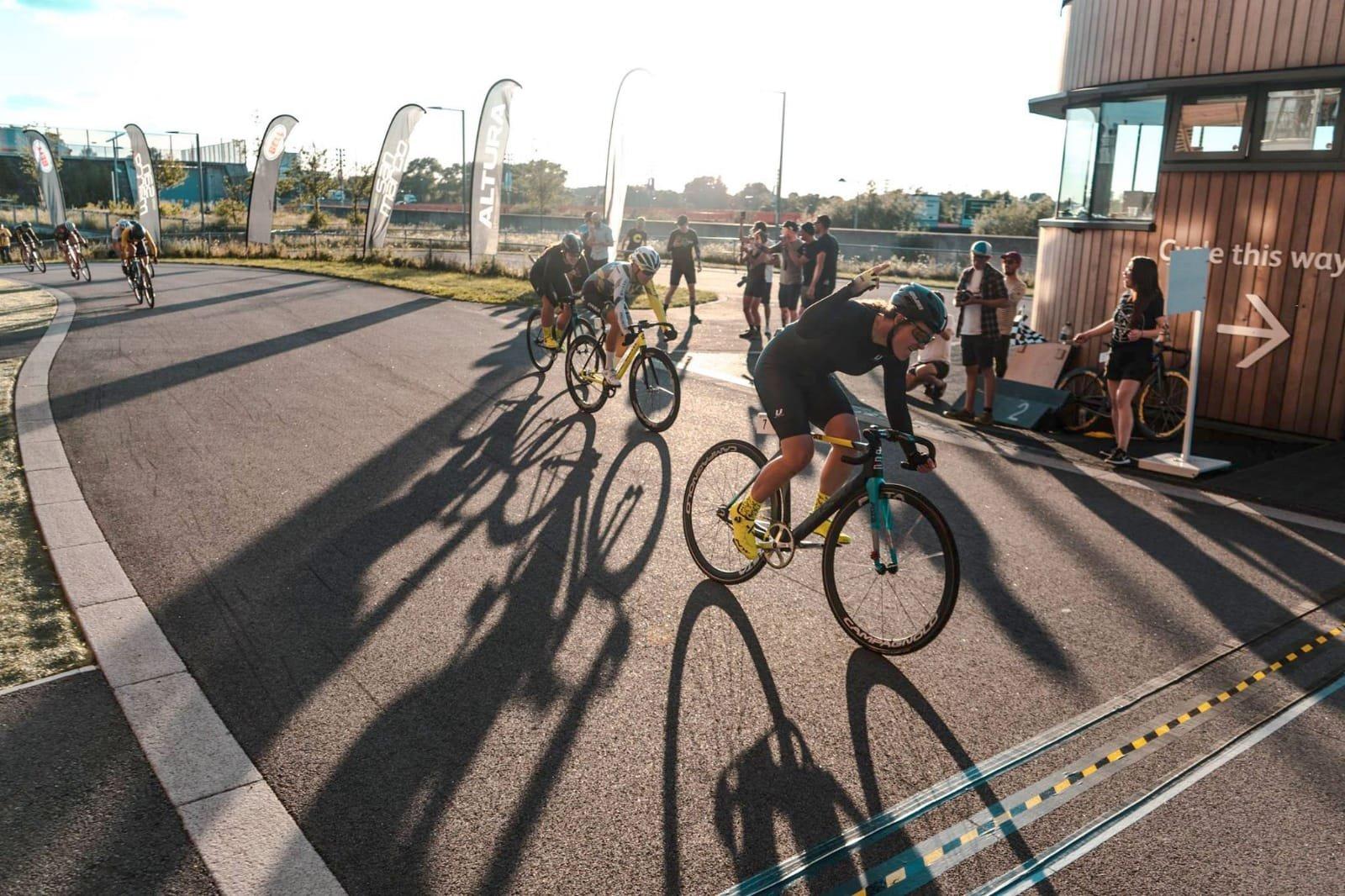

We offer a range of services to help you become a better cyclist, including cycling skills sessions and tailored training plans.
Our cycling skills sessions are designed to help riders of all levels improve their technique, confidence, and safety on the road. Led by experienced coaches, our sessions cover a range of skills, including cornering, descending, group riding, and bike handling. Whether you're new to cycling or a seasoned pro, our skills sessions are a great way to improve your riding and get more enjoyment out of every ride.
But we don't just stop there. Our tailored training plans are designed to help you achieve your cycling goals, whether you're training for a big event, a race season, or just looking to improve your fitness and performance. Our coaches work with you to develop a training plan that's tailored to your goals, fitness level, and schedule, ensuring that you get the most out of every training session and see real results.
We're passionate about cycling and helping riders of all levels achieve their goals. Whether you're looking to become a stronger, more confident cyclist, or just want to enjoy your rides more, we're here to help.
Our cycling skills sessions are designed to help riders of all levels improve their technique, confidence, and safety on the road. Led by experienced coaches, our sessions cover a range of skills, including cornering, descending, group riding, and bike handling. Whether you're new to cycling or a seasoned pro, our skills sessions are a great way to improve your riding and get more enjoyment out of every ride.
But we don't just stop there. Our tailored training plans are designed to help you achieve your cycling goals, whether you're training for a big event, a race season, or just looking to improve your fitness and performance. Our coaches work with you to develop a training plan that's tailored to your goals, fitness level, and schedule, ensuring that you get the most out of every training session and see real results.
We're passionate about cycling and helping riders of all levels achieve their goals. Whether you're looking to become a stronger, more confident cyclist, or just want to enjoy your rides more, we're here to help.
- 2 Bu gibi insanlar
- 23 Yazı
- 2 Fotoğraflar
- 0 Videolar
- 0 önizleme
- Road
- Saddle Up!

 English
 Arabic
 French
 Spanish
 Portuguese
 Deutsch
 Dutch
Dutch
 Italiano
 Russian
 Romaian
 Portuguese (Brazil)
 Greek
Greek
Son Güncellemeler
- WWW.SADDLEUPCYCLING.CO.UKKennedy Ogada: ParalympianThe Paralympics have just come to an end, and I couldnt be prouder of Kennedy Ogadas performance, despite the challenges we faced along the way. Kennedy finished 11th in the Time Trial and, unfortunately, didnt finish the road race. This came just two weeks after a devastating collision with a car during training, which left his original pilot, Benson Mwaniki, with a fractured spine and shoulder.In true Kennedy fashion, he refused to let this setback define his Paralympic debut. Stepping in at the last minute, former rugby player and now triathlete, Oscar Dennis, became his new pilot. With only days to familiarise themselves with each other, their performance was nothing short of heroic. Oscars ability to adapt and commit under such pressure was amazing, and I am incredibly grateful for his dedication. Kennedy and I first connected at the Commonwealth Games in Birmingham 2022, during the track events held in London. He was piloted by Peter Mwangi at that time, and from the moment I saw his potential, I knew we were going to go far together. Since then, Ive had the privilege of supporting him through several competitions, including the World Championships in Glasgow last year. Just a few months ago, Kennedy secured 1st place in the Time Trial and 2nd in the road race at the African Championships. His talent is undeniable.This years Paralympics marked the first time Kenya had a cyclist in the Games, and with the new focus on cycling within the Kenyan Paralympic Committee, I am confident it wont be the last. Thanks to the committees efforts and my involvement, we now have two brand new tandems, one for road and one for track, both sourced from Dolan Bikes. These new resources open up exciting opportunities for future athletes.Although the bike I built for Kennedy was damaged in the crash, well have it back up and running soon. This journey has been full of highs and lows, but I know that Kennedys resilience and determination will lead him to even greater success. His journey is far from over, and I am honoured to be a part of it. Stay tuned, because the best is yet to come for Kennedy Ogada and the future of Kenyan para-cycling.0 Yorumlar 0 hisse senetleri 1104 ViewsPlease log in to like, share and comment!
- WWW.SADDLEUPCYCLING.CO.UKYour First Road RaceAre you ready to take your cycling passion to the next level?Embarking on your first road race is an exciting milestone in your cycling journey. If you've been itching to test your skills, experience the thrill of competition, and join the vibrant cycling community, it's time to saddle up and enter your first road cycling race! In this blog post, we'll guide you through the exhilarating world of road and circuit races, explain the licence requirements, and shed light on the category and points system. So, let's gear up and dive into the excitement of competitive cycling!From equipment and training to registration and mindset, let's dive into what it takes to enter your inaugural road race with confidence.Suitable Road Bike: First and foremost, you'll need a road bike that is in good working condition. Ensure your bike is well-maintained, with properly inflated tires, functioning brakes, and smooth gear shifting. Consider getting a professional bike fit to optimise your comfort and efficiency on the bike. While you don't need the most advanced equipment for your first race, make sure your bike is reliable and appropriate for the distance and terrain you'll be racing on. You dont need a flashy carbon bike or wheels to race! Make sure you have road tyres measuring 23-30mm wide, and remove all lights, saddlebags and mudguards.Cycling Kit: Invest in a comfortable and aerodynamic cycling kit consisting of a jersey and shorts or bib shorts. Opt for moisture-wicking and breathable fabrics to keep you cool and dry during the race. Whilst technically you could race in denim shorts and a t-shirt, we would highly advise against it! A properly fitting helmet is also essential and you will be unable to race without it. Cycling shoes that are compatible with clipless pedals are also a must. Training and Fitness: Preparing for your first road race requires a solid training plan. Gradually increase your mileage and include a mix of endurance rides, interval training, and hill repeats to improve your overall fitness. Practice riding in a group to get comfortable with drafting and pack dynamics, which are crucial skills for road racing. Remember to incorporate rest and recovery days into your training schedule to avoid burnout and reduce the risk of injuries.Race License: Most road races require a racing license from the governing body, such as British Cycling. Make sure to obtain the appropriate license for your level of racing. A Ride membership or a Race Silver membership is typically sufficient for beginners. For lower category races you can race with a day licenseCheck the requirements and guidelines on the governing body's website to ensure you meet the necessary criteria.Race Registration: Once you have your racing license, it's time to find a suitable race and register. Visit the event's website or the governing body's race calendar to find races that align with your skill level and distance preference. Register online before the race deadline, as some events may have limited spots. Familiarise yourself with the race details, including the start time, route, and any specific rules or regulations. Mental Preparation: Entering your first road race can be both exhilarating and nerve-wracking. Develop a positive and focused mindset by visualising success and setting realistic goals. Embrace the opportunity to learn and gain experience, rather than solely focusing on the outcome. Remember that racing is as much about enjoying the process as it is about achieving resultsRoad Races vs Circuit RacesOne of the first distinctions you'll encounter in the racing realm is the difference between road races and circuit races. Road races typically take place on open roads and cover varying distances, from short flat circuits to longer hilly races. These races showcase the dynamic nature of cycling, with riders manoeuvring through undulating terrains, conquering challenging climbs, and strategising for sprint finishes.On the other hand, circuit races are held on closed tracks, typically within a short loop of a few kilometres. These races often feature multiple laps, allowing spectators to catch glimpses of the action at different points on the circuit. Circuit races demand quick reflexes, agility, and tactical prowess as riders navigate sharp corners, technical sections, and potential obstacles like chicanes. The beauty of circuit racing is that they are often a little safer and controlled. You can safely race against others without the risk of outside factors involving themselves. There are also a lot of circuits around, with races happening on most days during the week around theLicence RequirementsBefore diving headfirst into your first race, it's crucial to obtain a racing licence from British Cycling. The majority of races in the UK are organised under the rules and regulations of British Cycling, the national governing body for the sport. However, it's worth noting that there are other organisations such as the LVRC (League of Veteran Racing Cyclists), BMRC (British Masters Road Championships), and TLI (The League International) that also organise races. These organisations cater to specific categories of riders or offer alternative racing opportunities within the cycling community.For your first race, a Ride membership or a Race Silver membership should suffice. These licences allow you to test your skills and gain experience without committing to the full racing calendar. It's a great starting point that offers you the opportunity to progress at your own pace and decide if competitive racing is the path for you. You can enter low category BC races with the purchase of a day license, the only downside to this is that you wont qualify for any ranking points. If you prefer diving headfirst into things, you should purchase a full race license on top of you BC membership.Category and Points SystemBritish Cycling employs a category system that categorises riders based on their ability and experience. The categories range from 4 (entry-level) to Elite (highest level). When you participate in races, your performance and results earn you points. As you accumulate points, you have the chance to progress to higher categories and compete against more experienced riders. To advance to a higher category, you must fulfil the points criteria specified by British Cycling. For example, achieving a certain number of points within a set period will enable you to move up the ranks. This system allows riders to steadily progress, develop their skills, and compete against individuals of similar abilities.Category 4 to Category 3: Typically, riders need to accumulate 12 points to move up from Category 4 to Category 3.Category 3 to Category 2: Advancing from Category 3 to Category 2 requires 40 points.Category 2 to Category 1: The jump from Category 2 to Category 1 is the most challenging. Riders often need to accumulate 200 or more points, again subject to regional variations and specific criteria. Riders that gain an additional 200 points whilst at 1st category will then be upgraded to Elite.It is worth noting that as you go up categories, the availability of points also increases. The majority of circuit races for category 3 and 4 riders will only give you 10 points for a win. But a road race for E12 riders will give you 60 to 100.Age Category RacingAge category cycle racing offers a fantastic opportunity for riders of various age groups to compete within their respective categories and enjoy the thrill of racing. Organisations like the LVRC (League of Veteran Racing Cyclists) and BMRC (British Masters Road Championships) cater specifically to master riders. The LVRC welcomes riders aged 40 and above, providing a platform for experienced cyclists to showcase their skills and compete against others within their age brackets. Similarly, the BMRC focuses on masters racing, with categories typically starting from the age of 30 or 35, depending on the specific event and discipline. These age-specific racing organisations foster a supportive and competitive environment for riders to continue their racing journey, no matter their ageConclusionEmbarking on your first race with British Cycling is an exciting step towards pushing your cycling limits and immersing yourself in the competitive world of the sport. Whether you choose road races or circuit races, obtaining the appropriate licence and understanding the category and points system are key to a successful and fulfilling racing journey.Remember, racing is not only about winning but also about personal growth, camaraderie, and enjoying the incredible experiences the sport has to offer. So, set your goals, train hard, and embrace the excitement of competitive cycling.Saddle up, and let the races begin!0 Yorumlar 0 hisse senetleri 1234 Views
- WWW.SADDLEUPCYCLING.CO.UKThe feel and the powerWhen it comes to optimising your cycling performance, having a structured training plan is key. But with multiple training methods available, how do you choose the right approach for you? In this blog post, we'll explore the differences between training by feel, heart rate, and power meters, highlighting the positives and negatives of each. Additionally, we'll discuss why combining these approaches can provide a comprehensive and effective training strategy.Training by Feel Training by feel is an intuitive approach that relies on your own perception of effort and exertion. It allows you to tune in to your body, taking into account factors such as fatigue, motivation, and overall sensations. This method can be a great starting point for beginners or those who prefer a less structured approach.Riding to Feel offers simplicity, as it requires no additional equipment or gadgets, making it accessible to all cyclists. It encourages you to listen to your body and develop a deeper understanding of your limits and capabilities. Moreover, going by feel provides flexibility, allowing you to adapt your workouts based on external factors such as weather, terrain, or personal circumstances.However, relying solely on feel can have its drawbacks. The lack of precision is a key concern, as it does not provide quantitative data to measure progress accurately. Without concrete metrics, it becomes challenging to track improvements and set measurable goals. Additionally, it can be challenging to gauge effort consistently, as perceptions of exertion may vary based on factors like mood, motivation, or distractions.Training with Heart RateTraining with a heart rate monitor involves monitoring your heart rate during exercise to gauge the intensity of your effort. It provides a more objective measure of your exertion level, enabling you to train within specific heart rate zones.One of the major positives of heart rate training is individualised intensity. Heart rate training takes into account your unique cardiovascular fitness level, ensuring that you train at appropriate intensities for optimal results. It is also relatively affordable and widely available, making heart rate monitors a popular choice for many cyclists. Furthermore, heart rate monitoring allows you to track changes in your heart rate over time, enabling you to assess your fitness gains and adjust your training accordingly.However, there are some limitations to consider when using heart rate as a sole training metric. There can be a lag time in heart rate response, meaning changes in heart rate may not be immediate, resulting in a delayed response to intensity changes during intervals or sprints. While heart rate monitoring can be a valuable tool for training, it is important to be aware of its limitations and the potential factors that can influence heart rate readings. External factors such as heat, dehydration, and fatigue can affect heart rate, potentially impacting the accuracy of training zones and making it a less reliable metric in certain circumstances.Heat has a significant impact on heart rate during exercise. When the body is exposed to high temperatures, the heart has to work harder to regulate body temperature, resulting in an increased heart rate response. This means that even if the intensity of your workout remains the same, your heart rate may be elevated due to the additional strain of dissipating heat. Consequently, relying solely on heart rate to gauge intensity in hot conditions may lead to inaccurate measurements and potentially push you beyond your intended training zone.Dehydration can also influence heart rate readings. When the body is dehydrated, blood volume decreases, causing the heart to work harder to deliver oxygen and nutrients to the working muscles. As a result, the heart rate may increase, even at a lower exercise intensity. It is essential to stay adequately hydrated before, during, and after your workouts to maintain accurate heart rate measurements and ensure optimal performance.Fatigue is another factor that can impact heart rate responses during training. When the body is fatigued, the cardiovascular system may not function at its optimal level. This can lead to a higher heart rate for a given exercise intensity or a slower heart rate recovery after intense efforts. Fatigue can be caused by factors such as accumulated training load, inadequate recovery, or overall fatigue from other life stressors. Recognising the influence of fatigue on heart rate responses can help you adjust your training accordingly and prevent overexertion or potential injury.It's important to note that while these factors can influence heart rate readings, they don't necessarily render heart rate monitoring ineffective. Rather, it highlights the need to take external factors into account when interpreting heart rate data. By being mindful of environmental conditions, staying hydrated, and considering your overall fatigue level, you can mitigate the impact of these factors on heart rate measurements and make more informed training decisions.Training with Power MetersPower meters measure the actual work you are doing by calculating the amount of power (watts) generated while cycling. This method provides the most precise and objective measurement of your effort, allowing for highly specific training zones and analysis.The precision and objectivity offered by power meters are significant advantages. Power meters provide accurate and real-time data, enabling you to monitor effort levels with precision and make informed decisions about training intensity. Power data also offers valuable insights into your strengths, weaknesses, and energy distribution, allowing for targeted improvements and more efficient training sessions.One of the primary concerns when it comes to power meters is the cost. Power meters tend to be more expensive compared to heart rate monitors or training by feel. This higher cost can be a barrier for some cyclists, especially those who are on a tight budget or just starting their cycling journey. However, it's worth noting that the prices of power meters have become more varied, with more affordable options available in recent years.Technical complexity is another aspect to consider. Understanding and interpreting power data may require a learning curve, especially for those who are new to using power meters. There are various metrics and data points to understand, such as average power, normalized power, and functional threshold power (FTP). This complexity can be overwhelming initially, but with proper guidance and education, cyclists can acquire the knowledge and skills necessary to effectively use power meters as a training tool. Check our other blogs for more information on zone setting. Lastly, some cyclists may become overly fixated on the numbers provided by power meters, leading to a potential loss of focus on the overall cycling experience. Constantly chasing specific power targets or obsessing over minute changes in wattage can detract from the joy and freedom that cycling can bring. It's crucial to balance utilising power data for training and enjoying the ride for its own sake.It's important to understand that power output in cycling is highly individual and cannot be directly compared between individuals. Factors such as body composition, training history, genetics, and muscle fibre type contribute to variations in power capabilities. Therefore, comparing one person's power output to another's can lead to unfair assessments and diminish the joy of individual progress.Instead of focusing on comparisons, viewing power as a personal metric is more productive and fulfilling. Each cyclist should use power data to gauge their performance, set realistic goals, and track their progress. By embracing power as a personal growth and improvement tool, cyclists can derive satisfaction from their achievements.The beauty of cycling lies in the personal journey and the pursuit of individual goals. Rather than being fixated on external comparisons, cyclists should embrace the uniqueness of their power capabilities and harness them to shape their training plans and strive for personal excellence.Despite these disadvantages, power meters remain a powerful tool for optimising training and performance. By understanding their limitations and combining power data with other training approaches, such as training by feel and heart rate monitoring, cyclists can mitigate these drawbacks and create a well-rounded and effective workout.Combining Everything!Combining the three training approaches of feel, power, and heart rate can create a comprehensive and balanced training strategy that harnesses the benefits of each method. By incorporating all three, you can better understand your performance, optimise your training, and achieve better results.Training by feel forms the foundation of this approach, allowing you to connect with your body and listen to its cues. By paying attention to how you feel during your rides, you can tune into subtle changes in energy levels, fatigue, and muscle soreness. This self-awareness helps you adjust your training intensity and volume based on your body's signals, reducing the risk of overtraining or injury. When combined with power and heart rate data, training by feel provides a critical subjective perspective that complements the objective metrics.With their precise measurement of work output, power meters offer an invaluable tool for tracking and analysing your performance. You can set specific wattage targets for various intervals and workouts by training with power. This allows for a more precise and quantifiable approach to training intensity, ensuring that you hit the desired power zones for optimal adaptations. Power data also enables you to monitor changes in your performance over time and identify areas for improvement. When combined with the subjective feedback from training by feel, power meters provide a comprehensive understanding of your effort and progress.Heart rate monitoring adds another layer of information to your training. By training within specific heart rate zones, you can optimise the cardiovascular benefits of your workouts. Heart rate data helps you gauge the overall stress and strain on your cardiovascular system, ensuring that you train at appropriate intensities for your fitness level. By combining heart rate monitoring with power data, you can assess the relationship between effort and physiological response. This allows you to fine-tune your training zones and maximise cardiovascular fitness while considering factors like fatigue and recovery.Combining feel, power, and heart rate training creates a more balanced approach to your cycling. While power meters and heart rate monitors provide objective data, training by feel helps you stay connected with your body and make adjustments based on its feedback. This balance allows you to tailor your training to your specific needs and goals, considering both the quantitative and qualitative aspects of your performance.In summary, combining the training trifecta of feel, power, and heart rate provides a comprehensive and well-rounded approach to cycling training. It allows you to leverage the benefits of each method, optimising your efforts and achieving a more excellent balance in your performance. So saddle up, embrace this holistic approach, and unlock your full cycling potential.0 Yorumlar 0 hisse senetleri 1201 Views
- WWW.SADDLEUPCYCLING.CO.UKRoller SessionsWhat are rollers? Rollers are a type of cycling trainer that consist of a frame, three cylinders (rollers) that are typically made of aluminum or PVC. A belt connects the middle roller to the front roller so as when the bike is ridden, both wheels spin at the same speed. As the cyclist pedals, the rear wheel of the bike spins and rotates the rollers. The rollers provide resistance to the motion of the rear wheel, simulating the feel of outdoor cycling on a flat road. Unlike traditional stationary trainers, rollers require the rider to maintain balance, making them a more challenging training tool.Rollers can be used for a variety of training purposes, such as improving pedalling technique and leg speed, as well as balance and handling skills. They are also a great tool for warming up before rides and races. As it allows the rider to get warmed up without putting too much force through the muscles. Many riders will also use rollers for low zone recovery rides for this same reason There are some rollers that have built in resistance units, but the majority you come across do not. Instead as the roller speed increases, so does the power the rider needs to produce. Riding on the rollers. Learning to ride rollers can take some practice, but with patience and persistence, most people can master the technique. Here are some steps to help you get started:Set up the rollers: Make sure that the rollers are positioned on a flat and stable surface. Adjust the roller spacing so that the front axle is slightly behind the axle of the front roller.Start with support: To get comfortable with the rollers, it can be helpful to start with some support. Place a chair or other sturdy object next to the rollers and hold onto it while you get onto the bike and start pedaling. Many use kitchen counters, as well as hallways and door frames.Keep your eyes forward: One of the key aspects of riding rollers is to keep your eyes focused on a fixed point ahead of you, such as a wall or a TV. This will help you to maintain balance and avoid the sensation of disorientation that can occur when looking down at the moving rollers.Start pedaling slowly: Begin pedalling slowly and gradually increase your speed as you become more comfortable. Try to maintain a steady cadence and avoid sudden movements or jerky pedaling. Imagine yourself pedalling from your hips, you need to be as smooth as possible.Use your core muscles: To maintain balance, engage your core muscles and keep your upper body steady. This will help you to stay centered on the rollers and avoid swaying from side to side.Practice regularly: Like any new skill, learning to ride rollers takes practice. Try to ride on the rollers for short periods of time at first, gradually increasing the duration and intensity of your workouts as you become more comfortable.Consider using a mat: To protect your floors and reduce noise, consider using a mat under the rollers.Overall, learning to ride rollers can be a fun and rewarding experience, providing a challenging workout and helping you to improve your cycling skills.Roller sessions to tryHere are a few things you can do to improve your comfort and control on the bike when using rollers. Start with 30-minute blocks. Following the sessions make sure to take the time to stretch properly as you'll be engaging various muscle groups. These exercises can be more dynamic than riding in real life!To prevent noise and sweat from seeping into the floor, set up a fan in front of you and use a couple of yoga mats. This will also protect your flooring from the rollers.If you fancy some inspiration, have a look at this video from GCN on one of our sessions! Moving around the bike Start by spinning easily for ten minutes. Then, take your left hand off the handlebars and move it around your body for thirty seconds. Move it smoothly and leisurely without rushing. You can raise it, scratch your back, or reach forward like Superman. After that, place your hand back on the bars, roll your shoulders, and relax for thirty seconds.Repeat the same process with your right arm, alternating arms in sets of thirty seconds of movement and thirty seconds of rest. Do this five times with each arm. As you get comfortable, you can try riding with no hands or one leg, using a wall or door frame for support.Next, practice moving your hands between positions on the handlebars randomly for five minutes. Switch between tops, drops, and hoods every thirty seconds while focusing on engaging your body and core.Finally, challenge yourself to ride as low as possible on the bike. Bend your elbows, drop your shoulders, and put your hands in the drops. Try to maintain this "aero" position for as long as possible, and if you dare, see how close you can get your nose to the stem. This exercise helps you strengthen your core and reduce arm strain.To finish, spin easily for five minutes to cool down.Spin UpsThis is an exercise that can boost your confidence with higher leg speeds. With practice, you can achieve smoother and more fluid movements. For optimal results, perform this exercise while in the drops.To begin, warm up with some easy spinning for 10 minutes. Once warmed up you will then aim to complete a 6-10 second burst on the pedals. Whereby you increase your leg speed with a small seated sprint at the start of each minute. Following the acceleration, allow your legs to slow back down, regain composure and stay in control of the pedals. Spin your legs nice and easy for the remainder of the minute (50 seconds). Repeat this process for a total of 10 accelerations over 10 minutes.Pay attention to how your legs feel after the six-second burst. They will still be spinning fast, so focus on maintaining a smooth and steady motion as you slow them down. You don't need to push back on the pedals; instead, allow your legs to "float," spinning quickly but without exerting extra force.Cadence BuildsStart with some easy spinning session for five minutes and pay attention to your cadence during this time.Choose a fairly mid to easy gear Next, you will perform a three-minute block where you increase your RPM by five revs every 30 seconds, starting at around 90/100 RPM and finishing at about 120/130 RPM. As you approach the end of the block, it may become more challenging to maintain the pace. However, it's crucial to stay relaxed, focus on your core, and avoid excessive movement in the saddle. Pay attention to the point where your body starts to move around or when it feels like your legs can't keep up.Take a two-minute break during which you spin easily.Repeat the ramp and the rest for a total of four times, completing four ramps in 20 minutes. Spin easy to cool down.0 Yorumlar 0 hisse senetleri 1228 Views
- WWW.SADDLEUPCYCLING.CO.UK250m and Beyond!Track cycling is an exciting and dynamic form of cycling that has been gaining more and more popularity in recent years. With the 2012 London Olympics being a catalyst for the events currently on offer. Whether you are a seasoned cyclist or just starting out, track cycling offers a unique and exhilarating experience that is not to be missed. In this post, we will explore what you need to race on the track, why you should try it, the fitness required, the different types of races, and some of the best venues to visit in London.Why You Should Try Track CyclingTrack cycling offers a unique and exciting experience that is not found in other forms of cycling. Racing on a velodrome requires a high level of skill, speed, and strategy, making it a challenging and rewarding sport to participate in.Track cycling is also a great way to improve your fitness and overall health. Racing on a velodrome requires a high level of cardiovascular fitness, as well as strength and endurance. Whether you are looking to lose weight, improve your overall fitness, or just have fun, track cycling is a great way to achieve your goals.What You Need to Race on the TrackTrack cycling is a form of cycling that requires a few key pieces of equipment. The most important piece of equipment is the track bike, which is a bike specifically designed for racing on a velodrome. Track bikes have no brakes, a fixed gear, and either a steel, aluminum or carbon frame. This means that riders need to pedal continuously, and use their legs to control their speed and acceleration. Track bikes are purpose-built machines designed specifically for racing on the velodrome. They are known for their simplicity and efficiency, stripped down to the essentials to maximise speed and control. One crucial aspect of track bikes is that the bike is a fixed gear, meaning it doesnt freewheel. As long as the bike is moving, your legs will be moving. This is why track gearing you choose plays a vital role in determining a rider's speed and cadence. Gearing is typically expressed in gear inches, in track cycling, gearing tends to be high to accommodate the high speeds reached on the track. For training purposes, a common gear ratio like 50x16 (or 84" gear inches) is often used, providing a balanced combination of acceleration and control. However, for racing, riders often opt for even higher gearing, typically upwards of 96" gear inches, to maximise their top speed and take full advantage of the velodrome's banked corners. Gear inches are calculated by multiplying the number of teeth on the chainring by the number of teeth on the rear cog, and dividing the result by the diameter of the wheel in inches. This calculation provides a standardised measure that helps riders select the appropriate gear ratio based on their desired speed and cadence requirements.In addition to a track bike, riders also need to wear a helmet, cycling shoes, and appropriate clothing. Track cycling is a fast-paced sport that requires a high level of fitness and skill, so it's important to be prepared before hitting the track.Contrary to popular belief, you don't necessarily need a high-end, expensive bike to enjoy track cycling. While carbon fiber frames and top-of-the-line components may be appealing, the truth is that a steel or aluminum frame is more than sufficient for riding the track. Since track cycling takes place on a smooth, banked surface with no hills to tackle, the emphasis shifts away from the weight of the bike. Instead, riders looking to upgrade their track bikes should focus on other areas that can have a more significant impact on performance. One crucial upgrade to consider is the wheels. Investing in faster and deeper wheels can make a notable difference in speed and aerodynamics. The aerodynamic advantage of deeper wheels, combined with high-quality hubs and spokes, can provide a noticeable improvement in performance. So, before splurging on a carbon frame, consider upgrading your wheels first. Remember, on the track, it's all about speed and efficiency, and prioritising the right upgrades can enhance your performance without breaking the bank.Fitness RequiredTrack cycling is a physically demanding sport that requires a high level of fitness. Riders need to be able to maintain a high level of intensity for short bursts of time, while also having the endurance to last through longer races. This means that training for track cycling requires a combination of high-intensity interval training, strength training, and endurance training. However, dont be put off if you dont consider yourself to be as fit as Olympians, there are still lots of options available to you for training and racing for novices, especially in London.Different Types of RacesThere are several different types of races in track cycling, each with their own unique challenges and strategies. Bunch races, also known as mass start races, involve all riders starting together and racing to the finish line. Timed events, such as the individual pursuit and team pursuit, involve riders racing against the clock to achieve the fastest time possible. Sprint events involve two or more riders racing against each other over a short distance, typically 200-1000m.Best Venues to Visit in LondonLondon has several excellent venues for track cycling, including the Lee Valley VeloPark and the Herne Hill Velodrome. The Lee Valley VeloPark was built for the 2012 Olympics and offers a world-class velodrome that is open to the public. The Herne Hill Velodrome is one of the oldest velodromes in the world, and hosts the popular Women's Track League every summer.The Women's Track League at Herne Hill is a fantastic event that showcases some of the best track cyclists in the country. The league runs from May to August, and features a range of races for riders of all abilities. Whether you are a seasoned racer or just starting out, the Women's Track League is a great way to experience the excitement and challenge of track cycling. Riders must obtain track accreditation to race at the Lee Valley VeloPark or other indoor tracks in the UK. Accreditation ensures riders have the necessary skills and knowledge to ride safely. The process typically involves attending an introductory session where you learn the basics of track cycling and demonstrate your ability to ride confidently and safely in a group. Once you have completed the accreditation process up to stage four, you will receive a new British Cycling licence featuring your track accreditation, allowing you to participate in races in most indoor velodromes in the UK.Riders must undergo training and race accreditation to participate in events at the Herne Hill Velodrome. The training accreditation is designed to teach riders the skills to race safely and efficiently on the track. Riders receive guidance on techniques such as riding in a bunch, navigating the way at high speeds, and sprinting. Once you've completed the training accreditation, you can progress to the race accreditation, which allows you to participate in competitive events at Herne Hill.You will also need a British Cycling license to race at both Lee Valley and Herne Hill. The license ensures that you are covered by insurance while racing and provides access to various benefits. The license requirements vary depending on your racing category. Riders can participate without a full license for lower category races, such as the Women's Track League C races at Herne Hill. These races are often coach-led race events to allow riders to gain race experience and progress in their cycling journey.Obtaining a British Cycling license is a straightforward process. You can apply for a grant through the British Cycling website, where you will find different options depending on your age, gender, and racing category. The license provides access to a comprehensive calendar of events, including track races, road races, and other disciplines.The Women's Track League at Herne Hill is a fantastic platform for women riders of all abilities. It offers a supportive and inclusive environment for racing, allowing riders to participate in coach-led go-race events without needing a full license. This creates an accessible pathway for riders to gain race experience, improve their skills, and progress in the sport.In conclusion, track cycling in London offers a thrilling and challenging experience for riders of all levels. Whether you race at the Lee Valley VeloPark or the Herne Hill Velodrome, complete the necessary accreditations and obtain a British Cycling license to ensure your safety and access to a vibrant racing community. And for women riders, the Women's Track League at Herne Hill provides an excellent opportunity to join the exciting world of track cycling, even without a full license, as part of the coach-led go-race events. So saddle up and embrace the adrenaline-fueled world of track cycling in the heart of London!0 Yorumlar 0 hisse senetleri 1092 Views
- WWW.SADDLEUPCYCLING.CO.UKThat Burning SensationGet ready to ignite your cycling knowledge as we dive into the burning world of energy systems! When we push our limits on the bike, our bodies unleash a fiery dance of energy production that fuels our pedal-powered adventures. In this blog post, we'll explore the fascinating science behind the energy systems at play in cycling, uncovering the secrets behind that notorious burning sensation and discovering how to harness it for better performance. Get ready to stoke the flames of your cycling understanding! Whilst we, as cyclists, constantly strive to improve our power output and track our performance metrics, it's crucial to recognise the intricate systems operating within our bodies that we may not be consciously aware of. Understanding the underlying energy systems and muscles at work during cycling provides us with a deeper appreciation of our physical capabilities and enhances our overall training approach. By gaining insights into the science behind our cycling performance, we can make more informed decisions, optimise our training routines, and cultivate a holistic understanding of our bodies as we push ourselves to new limits on the bike. Moreover, having an understanding of the systems happening within our bodies during cycling goes beyond performance enhancement. It allows us to develop a greater sense of respect and awe for the intricate mechanisms that enable us to pedal with power and endurance. By acknowledging the incredible interplay between energy systems, such as aerobic and anaerobic metabolism, and the engagement of various muscles throughout our body, we gain a deeper connection with the physicality of cycling. Recognising these hidden processes not only enhances our knowledge but also fosters a sense of gratitude for the remarkable capabilities of the human body. It reminds us that while we focus on improving our metrics and pushing our limits, there is an entire symphony of physiological adaptations occurring beneath the surface. This understanding encourages us to approach our training with mindfulness, balance, and respect for the body's innate intelligence. Energy SourcesWhen it comes to cycling, our bodies rely on two primary energy systems: aerobic and anaerobic. These energy systems work together to provide the fuel needed to power our rides and enable us to tackle various intensities and durations on the bike. Let's take a closer look at each of them:Aerobic Energy SystemWhen it comes to endurance cycling, the aerobic energy system takes centre stage. Picture yourself cruising along scenic routes, feeling the wind in your hair as your body becomes a lean, mean, energy-producing machine. The aerobic system is all about sustainable fuel sources, like carbohydrates and fats, that keep the fire burning for the long haul. But beware, as you ramp up the intensity, the burn starts to build.The aerobic energy system, also known as the oxygen-dependent system, is responsible for generating energy during longer, steady-state efforts. It utilises oxygen to break down carbohydrates and fats and convert them into usable energy. This process occurs in the mitochondria, the powerhouse of our cells. The aerobic system is highly efficient and can sustain energy production for extended periods, making it essential for endurance cycling. When riding within our aerobic capacity, we can maintain a conversation comfortably and sustain a steady pace. This system plays a crucial role in longer rides, endurance events, and the foundation of overall cardiovascular fitness.Anaerobic Energy SystemNow, let's turn up the heat with the anaerobic energy system. Imagine those explosive sprints, heart-pounding climbs, and all-out efforts that leave your legs trembling and your lungs gasping for air. The anaerobic system is like a flash in the pan, relying on stored glycogen to produce intense bursts of power. But with great power comes a burning sensation as lactate builds up, signalling the fire within your muscles.The anaerobic energy system comes into play when we push our bodies beyond the aerobic system's capacity. It primarily relies on stored glycogen, the stored form of carbohydrates in our muscles, for quick energy release. Unlike the aerobic system, the anaerobic system does not require oxygen to generate energy. It is responsible for short bursts of high-intensity efforts, such as sprinting, attacking steep climbs, or accelerating from a standstill. During these intense moments, the anaerobic system produces energy rapidly but is limited in its ability to sustain output. It is characterised by a buildup of lactate, which can lead to fatigue and a burning sensation in the muscles.Ah, that burning sensation! We've all experienced it, and sometimes we fear it. But here's the twist: that burn is a sign that you're pushing your limits and tapping into your body's incredible potential. It's a reminder that you're alive and giving it your all. So, instead of shying away from the burn, embrace it, relish it, and let it fuel your determination to go farther and faster.It's important to note that these energy systems are not mutually exclusive and work in conjunction with each other. Even during intense anaerobic efforts, the aerobic system continues to play a vital role. It helps replenish glycogen stores, clear lactate, and provide the necessary support for recovery between intense bouts. Training both energy systems is essential for cyclists to improve overall performance, endurance, and the ability to handle a variety of intensities and durations on the bike.Understanding the interplay between aerobic and anaerobic energy systems allows us to plan our training strategically. We can enhance our cycling performance and excel in different cycling disciplines by incorporating a mix of long, steady rides to develop aerobic capacity and targeted interval sessions to improve anaerobic power. Balancing the utilisation of these energy systems is key to becoming a well-rounded and efficient cyclist on the road or trail.Creating Energy The human body possesses an astonishing capacity to generate its own energy, fuelling physical activities such as cycling with remarkable efficiency. Let's delve into the fascinating process through which our bodies create the energy required for these endeavours:Energy production within the body begins at a cellular level. The fundamental unit of energy production is the molecule known as adenosine triphosphate (ATP). ATP is the "currency" of energy in our cells, supplying the necessary fuel for various physiological processes, including muscle contraction during cycling.Carbohydrate Metabolism: Carbohydrates are the primary source of fuel for energy production. During digestion, carbohydrates are broken down into glucose, which enters the bloodstream. As you cycle, your body converts glucose into the compound adenosine triphosphate (ATP) through a process called glycolysis.Fat Metabolism: While carbohydrates are the body's preferred energy source during high-intensity efforts, fats are vital in providing sustained energy during endurance rides. When cycling at lower intensities, your body taps into its fat stores. Through lipolysis, stored fats are broken down into fatty acids and converted into ATP, providing a steady and long-lasting energy source.Oxygen and Energy Production: Generating energy from glucose and fats requires oxygen. During cycling, your breathing rate increases, allowing your lungs to take in more oxygen. The bloodstream then transports oxygen to the working muscles. In a series of aerobic respiration reactions within the muscle cells, oxygen is utilised to convert glucose and fats into ATP. This process efficiently produces energy and is sustainable for more extended periods of exercise.LactateLactate, a term commonly used in cycling, is often associated with the burning sensation and fatigue experienced in the muscles during intense efforts. While cyclists are familiar with the discomfort caused by lactate, it's important to understand what it is and its role in energy production.Contrary to popular belief, lactate is not a waste product or the sole cause of muscle fatigue. In fact, lactate serves as an essential intermediary in the process of energy production. During high-intensity exercise, when the demand for energy surpasses the aerobic capacity of the body, the breakdown of glucose for ATP production generates lactate as a byproduct.Lactate itself can be used as a fuel source by active muscles and other tissues. It can be transported through the bloodstream to different parts of the body, including the heart, liver, and skeletal muscles, where it is converted back into energy. This process is known as the lactate shuttle system. Therefore, lactate is not the enemy but rather a valuable resource that can be utilised for energy production.Understanding the concept of lactate threshold is crucial for cyclists looking to improve their performance. The lactate threshold refers to the exercise intensity at which lactate production exceeds the body's ability to remove it. As a result, lactate accumulates in the muscles and bloodstream, leading to the onset of fatigue and a decline in performance.By training to push up our lactate threshold, we can increase our body's capacity to tolerate higher lactate levels before fatigue sets in. This can be achieved through specific workouts targeting the anaerobic energy system, such as interval training and tempo rides. These training methods help improve the efficiency of lactate clearance and enhance the body's ability to utilise lactate as a valuable energy source.To optimise lactate threshold training, it is important to balance pushing the limits and allowing adequate recovery. Gradually increasing training intensity, monitoring heart rate or power output.In summary, lactate plays a critical role in energy production during intense exercise. It is not solely responsible for muscle fatigue but is instead a valuable energy substrate. By understanding the role of lactate and training to increase our lactate threshold, we can enhance our endurance, delay fatigue, and ultimately improve our cycling performance.Energy ConservationWhile the body is remarkable at creating energy, it also has mechanisms in place to conserve and optimise energy usage during cycling:Efficient Movement: To conserve energy, your body strives for efficient movement patterns while cycling. This includes maintaining proper cycling posture, using smooth pedal strokes, and engaging the appropriate muscles without unnecessary tension. Efficient movement minimises energy wastage and allows you to cycle for longer distances without fatigue.Energy Storage: During rest periods and low-intensity cycling, the body replenishes its energy stores. Excess glucose is stored as glycogen in the liver and muscles, ready to be utilised. Adequate nutrition and hydration are crucial for replenishing these energy stores and optimising performance.Energy Conservation Strategies: When faced with prolonged or intense cycling efforts, your body may employ energy conservation strategies. These include reducing non-essential bodily functions like digestion and redirecting blood flow to the working muscles. These mechanisms ensure that energy is prioritised for the essential task of powering your cycling activity.Muscles at Work Cycling engages numerous muscles throughout your body, helping you power through each pedal stroke. Here are some of the key muscle groups involved: Quadriceps:The quadriceps muscles are located in the front of the thigh and are essential for generating power during cycling. These muscles extend the knee, allowing you to push down on the pedals. They are particularly active when climbing hills or accelerating.Hamstrings: Situated at the back of the thigh, the hamstrings play a crucial role in cycling by flexing the knee and assisting the quadriceps. They work harmoniously to provide a balanced pedal stroke and contribute to overall leg strength.Glutes: The gluteal muscles, including the gluteus Maximus, medius, and minimus, are located in the buttocks region. These muscles are engaged during the downstroke of the pedal stroke and provide power and stability, especially when climbing or pushing against resistance.Calves: The calf muscles, including the gastrocnemius and soleus, are found in the lower leg. They are vital for the pushing motion during cycling and are crucial in generating force to propel the bike forward.Core Muscles: While the lower body muscles do most of the work in cycling, the core muscles, including the abdominal and back muscles, provide stability and help maintain a proper posture. They support your upper body and help you transfer power efficiently from the legs to the pedals.It's important to note that the following muscle groups dont provide power to your ride or accelerate you. They are still actively engaged during cycling, the intensity and duration of your rides can influence the level of involvement of each muscle. Additionally, proper bike fit, technique, and conditioning exercises can help optimise muscle engagement and prevent fatigue or overuse injuries.Deltoids: The deltoid muscles in the shoulders play a role in stabilising and controlling the upper body during cycling. They help maintain proper arm positioning on the handlebars, especially when navigating turns or riding in aero positions.Back Muscles: The back muscles, including the erector spinae and latissimus dorsi, are engaged during cycling to maintain posture and stability. They help support the upper body and prevent excessive strain on the lower back.Triceps: The triceps muscles, located at the back of the upper arms, are involved in cycling by assisting in extending the elbows. They contribute to the pushing phase of the pedal stroke, especially during climbs and sprints.Hip Flexors: The hip flexor muscles, including the iliopsoas and rectus femoris, are located in the front of the hip. These muscles are actively engaged during cycling to bring the knee upward in the pedal stroke. They play a crucial role in achieving a full range of motion and maintaining proper cycling form.Ankles and Feet Muscles: The ankles and feet muscles, including the tibialis anterior and gastrocnemius, are essential for maintaining stability and providing the necessary power to the pedals. They assist in the upstroke and help control the foot's movement throughout the pedal stroke.ConclusionCycling is a great activity that offers numerous health benefits while allowing you to explore the great outdoors. Understanding the different energy systems the body uses and the muscles involved can deepen your appreciation for the remarkable mechanics during every ride. Whether embarking on a leisurely cruise or tackling challenging terrains, your body's energy systems and muscles work in tandem to propel you forward and make your cycling experience genuinely exhilarating. So saddle up, enjoy the ride, and let your body unleash its cycling potential!0 Yorumlar 0 hisse senetleri 1178 Views
- WWW.SADDLEUPCYCLING.CO.UKEmbracing your inner child!Welcome to Saddle Up Cycling, where we not only celebrate the sport of cycling but also emphasise the importance of embracing the joy and freedom that comes with it. In this blog post, we'll explore the profound impact of having fun on the bike and how it can transform your training, making you stronger, faster, and more fulfilled. So, let's hop on our saddles, pedal back to carefree moments, and delve into the exhilarating world of cycling with a playful spirit!Rediscovering the Essence of Cycling In the pursuit of training goals and structured workouts, it's easy to forget why we fell in love with cycling in the first place. By infusing our rides with fun, we reconnect with the essence of the sport, reminding ourselves of the sheer joy and exhilaration that accompanies every pedal stroke. The bike becomes more than just a training tool; it transforms into a gateway to happiness and adventure.Enhanced Motivation and ConsistencyWhen we genuinely enjoy our time on the bike, motivation comes naturally. The act of having fun becomes a driving force that propels us forward, ensuring we eagerly anticipate each ride. As a result, we maintain consistency in our training, which is key to achieving long-term progress and unlocking our true potential as cyclists.Mental Refreshment and Stress Relief Cycling, approached with a playful mindset, offers an escape from the daily grind. It allows us to immerse ourselves in the present moment, leaving behind worries and stress. The rush of endorphins and the wind in our face work wonders for our mental well-being, refreshing our minds and rejuvenating our spirits. Embracing fun on the bike serves as a form of active meditation, nurturing our mental health and promoting a positive mindset.Increased Physical Endurance Contrary to popular belief, fun and serious training are not mutually exclusive. In fact, infusing our workouts with an element of enjoyment can yield surprising physical benefits. When we're having fun, we're more likely to push our limits and explore new territories. Playful rides may lead to longer durations, additional climbs, or even spontaneous sprints. By breaking free from the rigidity of a structured workout, we challenge ourselves in new ways, enhancing our endurance and building mental fortitude.Skill Development and Technical ProficiencyApproaching cycling with a playful spirit encourages experimentation, helping us develop essential bike handling skills and technical proficiency. Whether it's navigating tight turns, tackling technical trails, or practicing new maneuvers, having fun on the bike allows us to explore our capabilities and expand our skill set. As our confidence grows, we become more agile, versatile, and confident cyclists, ready to conquer any challenge that comes our way.Social Connections and Community BuildingWhilst we are on our long solo training rides, perhaps it doesnt always seem like it, but cycling is inherently a social activity. Embracing the fun aspect only amplifies its social benefits. Group rides, cycling clubs, and events provide opportunities to connect with fellow riders who share our passion. The camaraderie fostered through shared experiences on the bike creates lifelong friendships and a sense of belonging within the cycling community. The joy and laughter shared during these moments make cycling all the more memorable and rewarding. Skills SessionsSkill sessions provide a unique opportunity for adults to unleash their inner child while honing their cycling abilities. These sessions allow us to playfully explore new techniques, conquer challenges, and push our boundaries in a supportive and fun environment. Like children learning to ride for the first time, we can relish the exhilaration of trying new skills, such as cornering, bunny hopping, or even executing stylish wheelies. In this process, we develop greater control and finesse on the bike and boost our confidence levels. The sense of accomplishment from mastering these skills ignites a childlike excitement within us, reminding us of the fearless determination we possessed during our younger years. Skill sessions offer a valuable opportunity to embrace our playful nature while fostering personal growth and enhancing our overall cycling experience.Remember, cycling is not just about training and achieving goals. It's about rediscovering the joy and freedom that made us fall in love with it in the first place. So, embrace the childlike spirit, have fun, and let the bike be your ultimate playground for growth, adventure, and endless smiles.So, as you embark on your cycling adventures, remember to embrace the playful spirit, savor every moment, and let the sheer fun of riding propel you toward becoming a more robust, faster, and more fulfilled cyclist.Now, it's time to saddle up!0 Yorumlar 0 hisse senetleri 1235 Views
- WWW.SADDLEUPCYCLING.CO.UKPeriods, Hormones and PerformanceIn this blog post, we delve into the intriguing topic of how hormones impact exercise. Before we dive in, it's essential to acknowledge that my perspective comes from someone who does not personally experience menstruation and never has. As a cycling coach, I am dedicated to expanding my own understanding of menstruation's impact on training, so I can provide valuable insights to others who may share similar misconceptions or knowledge gaps. Historically, studies on the effects of hormones on exercise performance have predominantly centred around male athletes, leaving limited research specifically addressing the experiences of individuals who menstruate. It is crucial to recognise that hormonal changes associated with menopause and other factors can also influence exercise performance in unique ways. Additionally, it is important to acknowledge that not all individuals who menstruate or engage in exercise identify within traditional gender categories. Hence, it would be erroneous to generalise our findings based solely on gender.As we navigate this complex terrain, we will explore existing research and scientific literature to shed light on the potential impacts of birth control pills on exercise performance. While our knowledge may be constrained due to the limited studies available, we can still glean valuable insights to aid our understanding.Join me on this captivating expedition as we strive to bridge the gaps in knowledge and challenge misconceptions. Together, we can build a more inclusive and informed approach to training that takes into account the diverse experiences and needs of athletes. the menstrual cycle is an integral part of many individuals' lives, and it can sometimes pose challenges when it comes to athletic training and performance. However, with the proper knowledge and approach, individuals can continue to train effectively and achieve their fitness goals throughout their menstrual cycle. The information presented here is based on scientific research and expert advice from reliable sources.Understanding the Menstrual CycleThe menstrual cycle consists of several phases, including the follicular phase, ovulation, and the luteal phase, with menstruation occurring at the start of the cycle. These phases are regulated by fluctuating hormone levels, primarily estrogen and progesterone. Understanding how these hormonal changes may affect energy levels, mood, and physical performance is essential.During the follicular phase (days 1-14), estrogen levels gradually rise, leading to increased energy levels and improved endurance. This phase is an excellent time for intense training and high-intensity workouts. Ovulation typically occurs around day 14 when estrogen levels peak, providing a natural boost in performance. In contrast, the luteal phase (days 15-28) is characterised by rising progesterone levels, which may result in fatigue, mood changes, and decreased exercise tolerance.Training Strategies for Each PhaseMenstruation Phase (Days 1-5):It's essential to listen to your body and adjust training intensity based on how you feel.Focus on gentle exercises, such as yoga or light cardio, to alleviate cramps and discomfort.Stay hydrated and ensure an adequate intake of iron and other essential nutrients.Follicular Phase (Days 6-14):Take advantage of the increased energy levels and improved endurance during this phase.Incorporate high-intensity interval training (HIIT) or strength training to maximise performance gains.Stay hydrated and maintain a balanced diet to support optimal recovery.Ovulation Phase (Around Day 14):Leverage the peak estrogen levels to push for personal bests and more demanding workouts.Engage in endurance exercises, such as cycling, running, or swimming, to take advantage of increased aerobic capacity.Pay attention to hydration and consider adding electrolytes to your routine.Luteal Phase (Days 15-28):Adjust training intensity and focus on workouts that promote relaxation, such as yoga or Pilates.Incorporate more recovery days and prioritise rest to combat fatigue. This is the best time to schedule a recovery and adaptation week.Maintain a balanced diet rich in complex carbohydrates to sustain energy levels.General Tips for Cycle TrainingTrack Your Cycle: Use a menstrual tracking app or calendar to monitor your cycle and identify performance and mood change patterns. This will help you plan your training accordingly.Hydration and Nutrition: Stay hydrated throughout your cycle and ensure a balanced diet that includes an adequate intake of macronutrients and micronutrients, particularly iron, to support energy levels and overall health.Recovery and Rest: Permit yourself to prioritise rest and recovery when needed. Understand that your body may require additional rest during certain phases of the cycle, and overtraining can negatively impact performance.Mind-Body Connection: Practice stress-reducing activities such as meditation, deep breathing, or mindfulness to help manage mood changes and improve overall well-being.Menstrual ProductsWhen it comes to cycle training, the choice of menstrual products becomes an important consideration for many active individuals. Three common options for managing menstruation during physical activities are tampons, pads, and menstrual cups. Each has its advantages, and preferences vary among individuals.Tampons are a popular choice for active individuals because they are discreet, comfortable, and allow for freedom of movement. They are generally considered suitable for activities such as cycling, as they minimise discomfort and stay securely in place.Pads, on the other hand, are absorbent materials that adhere to the underwear and collect menstrual fluid externally. They come in various shapes and sizes to fit different preferences. While pads can provide a sense of security and are easy to use, they may not be the preferred choice for intense physical activities, especially when combined with a cycling chamois. Pads have a higher chance of shifting during movement, which can lead to discomfort and potential leakage. However, for those who prefer not to use internal products, thinner and more flexible pads specifically designed for sports can be an option.Menstrual cups have gained popularity in recent years, especially among environmentally conscious individuals. Made of medical-grade silicone or rubber, menstrual cups are inserted and collect menstrual fluid. They can be worn for up to 12 hours, making them convenient for long training sessions. Menstrual cups are known for their leak-free design, as the cup forms a seal with the vaginal walls. They are reusable and can last for several years, reducing waste compared to disposable products. Some individuals find that menstrual cups provide more comfort and freedom of movement during cycle training compared to tampons or pads.Ultimately, the choice of menstrual products when training depends on personal preference and comfort. While tampons are often favoured for their convenience and discreetness, some individuals may prefer the eco-friendly and leak-free qualities of menstrual cups. It's important to experiment with different products and find the one that best suits your needs and body during physical activities like cycle training.Oral Contraceptive UseOral contraceptive pills (OCPs) are a common form of birth control medication. However, it's essential to note that other methods are also available, such as contraceptive implants and injections. Contraceptive implants are small, flexible rods placed under the skin that release hormones to prevent pregnancy. Similarly, contraceptive injections involve receiving hormone injections every few months to provide contraception. OCPs come in pill form and primarily serve as contraceptives. They work by altering the hormone levels in the body, typically containing synthetic versions of estrogen and progestin, which are similar to hormones naturally produced by the body. Changing these hormone levels, OCPs prevent pregnancy by inhibiting ovulation, thickening cervical mucus, and thinning the uterine lining.However, the use of OCPs extends beyond contraception. They are also prescribed for various other reasons. For instance, some individuals may use OCPs to regulate heavy or irregular menstruation. Providing a consistent hormonal environment, OCPs can help reduce heavy menstrual bleeding and increase regular cycles. In some cases, OCPs may be used to suppress menstruation entirely. This can benefit individuals with conditions such as endometriosis, where uterine tissue growth outside the uterus can cause severe pain and discomfort. By suppressing menstruation, OCPs can help alleviate symptoms and improve quality of life. Furthermore, OCPs are sometimes prescribed to manage hormonal imbalances that can cause acne, hirsutism (excessive hair growth), or polycystic ovary syndrome (PCOS). By regulating hormone levels, OCPs can help improve these conditions and promote overall well-being.Studies Success at the Olympic level often comes down to tiny differences. However, there hasnt been much study into how the monthly cycle affects elite athletes' performance and decision-making. A recent study tried to fill this gap in knowledge by using different research methods. This preliminary study Understanding the Effects of the Menstrual Cycle on Training and Performance in Elite Athletes, by Georgia Statham, aims to shed light on the effects of the menstrual cycle on training and performance in this specific population. By examining the potential influence of hormonal fluctuations throughout the menstrual cycle, this research provides valuable insights for athletes, coaches, and sports scientists.The study looked at data from eight top athletes over seven months to see how their performance changed during different parts of their menstrual cycle. They also tested their decision-making abilities using the Cambridge Gambling Task. They interviewed two elite athletes, two Olympic-level athletes, and two coaches to gather more information.The results showed that performance was better during the menstrual phase than other phases. However, the effects varied among individual athletes. Interestingly, athletes who took oral contraceptives experienced a more significant change in performance between menstrual and different phases, suggesting that the contraceptives may negatively impact performance for some athletes. The study also found that impulsivity changed depending on the menstrual cycle phase, but risk-taking, error rates, and response times were not affected significantly.The interviews revealed that athletes and coaches didn't know much about the menstrual cycle. Despite this lack of understanding, there were preconceived ideas that the menstrual cycle could harm performance during the menstrual phase.As we already know, in the realm of elite sports, the impact of the menstrual cycle and exogenous hormone use on training and recovery remains largely unexplored. However, further findings from the study Patterns of Endogenous and Exogenous Ovarian Hormone Modulation on Recovery Metrics across the Menstrual Cycle shed light on the influence of ovarian hormones and birth control on athletes' adaptation to training load and stress. These discoveries, which will undoubtedly shape future training practices, were uncovered by researchers delving into the intricate relationship between hormonal fluctuations and athletic performance. Let's delve into the key findings and their potential implications for the field.In these important studies, researchers discovered some key information about how the menstrual cycle, birth control, and athletic performance are connected. They found that the hormones produced by the ovaries have a big impact on how well athletes recover from training and handle stress during the menstrual cycle. Specifically, during the luteal phase (when progesterone levels are high), athletes had more strain and took longer to recover. This happens because progesterone stimulates the autonomic nervous system, which affects the body's response to stress.They also compared athletes who used birth control to those who didn't. The athletes on birth control had different recovery patterns compared to those on a natural menstrual cycle. They didn't adapt as well to stress throughout all phases of the pill. The study also showed that using birth control, like the pill, affected day-to-day recovery from intense exercise more than the natural menstrual cycle did.Furthermore, the researchers looked at athletes who used a specific type of birth control called progestin-only birth control. These athletes had a different pattern of recovery compared to those on a natural cycle. In the late luteal phase, the effects of this type of birth control on the autonomic nervous system were less pronounced.Outlining the key findings from the 2020 study titled The Effects of Oral Contraceptives on Exercise Performance in Women: A Systematic Review and Meta-analysis,the researchers reviewed 42 studies involving 590 participants, and some interesting findings emerged. The study found something extraordinary When comparing individuals using OCPs with those who menstruate naturally, the study found something extraordinary. The chances of seeing a small improvement in exercise performance for individuals using OCPs were almost zero! In contrast, individuals who menstruate naturally had a moderate or small advantage in performance, depending on the comparison method. This reveals intriguing differences between the two groups.Looking at performance during OCP use versus withdrawal, the study found something remarkable. There was almost no chance of seeing a small effect on exercise performance in either direction. In other words, using OCPs or not using them didn't seem to have much impact on individual exercise performance.Based on the evidence, the study suggests that, on average, individuals using OCPs might have slightly lower exercise performance than those who naturally menstruate. However, the overall impact at the group level will likely be minimal. Due to the variability of effects across studies, giving general recommendations about using OCPs for exercise performance is not justified. Instead, it's better to personalise your approach and prioritise what works best for you. Every individual's body is unique, so finding the right strategy for you is essential. It's worth noting that exercise performance remained consistent throughout the OCP cycle, offering some stability in this complex situation.Implications These groundbreaking findings and others like them have important implications for sports and exercise training programs. It is crucial to consider the hormonal influence of ovarian hormones on the autonomic nervous system (ANS) when designing training methodologies. Currently, this aspect is often overlooked. By recognising the differences between endogenous (natural) and exogenous (birth control) hormone profiles, coaches and riders can customise training programs to optimise adaptation to training loads in athletes who menstruate. The understanding of how different hormone profiles affect recovery metrics opens up possibilities for individualised training approaches. Taking into account the specific needs of athletes during different phases of the menstrual cycle can lead to more tailored and effective training strategies. It is important for coaches and practitioners to acknowledge the impact of birth control on recovery and training adaptations. Being aware of the variations caused by exogenous hormone use can help in designing training programs that optimise performance and minimise potential negative effects.In conclusion, these groundbreaking studies investigating the interplay between the menstrual cycle, birth control, and athletic performance provide valuable insights for future clinical practice. By recognising the modulatory effects of ovarian hormones and differentiating between endogenous and exogenous hormone profiles, sports professionals can optimise training methodologies and enhance the adaptation of menstruating athletes to training loads, ultimately improving their overall performance and well-being. Furthermore, these studies emphasise the significant impact of the menstrual cycle on elite athletes' performance, highlighting the importance of understanding and tracking menstrual patterns to enhance physical and mental performance potentially. By acknowledging the effects of the menstrual cycle and employing appropriate strategies, athletes and coaches can optimise performance throughout different phases of the cycle, unlocking their full potential.When it comes to cycle training and managing your period, it's not just important for individuals to understand their options, but it's also crucial for coaches to take the time to learn about it. With this knowledge, coaches can better support their athletes and help them navigate their personal performance journey. Whether an athlete uses oral contraceptive pills (OCPs) to regulate their cycle or menstruates naturally, it's essential to explore different exercise routines, listen to their body, and make adjustments based on what works best for them. Each athlete is the main character in their own fitness story, and the possibilities for growth and success are limitless. Coaches play a vital role in empowering their athletes to embrace their uniqueness and tailor their training accordingly. By creating a supportive and understanding environment, coaches can help athletes reach their full potential and thrive in their cycle training endeavours.Sources and Further ReadingCarmichael MA, Thomson RL, Moran LJ, Wycherley TP. The Impact of Menstrual Cycle Phase on Athletes Performance: A Narrative Review. https://doi.org/10.3390/ijerph18041667 Elliott-Sale KJ, McNulty KL, Ansdell P, et al. The Effects of Oral Contraceptives on Exercise Performance in Women: A Systematic Review and Meta-analysis. https://www.ncbi.nlm.nih.gov/pmc/articles/PMC7497464/ Sims ST, Ware L, Capodilupo ER. Patterns of endogenous and exogenous ovarian hormone modulation on recovery metrics across the menstrual cyclehttps://bmjopensem.bmj.com/content/7/3/e001047 Georgia Statham. Chapter 3 - Understanding the effects of the menstrual cycle on training and performance in elite athletes: A preliminary study. https://doi.org/10.1016/bs.pbr.2020.05.028 How period tracking can give all female athletes an edge. https://www.theguardian.com/lifeandstyle/shortcuts/2019/jul/10/how-period-tracking-can-give-all-female-athletes-an-edge 5 Reasons You Should Use A Menstrual Cup For Cycling: The Menstrual Cup Lowdown from a Fellow Bike Enthusiast.https://www.femmecyclist.com/menstrual-cup-cycling/ Is the Menstrual Cup the Answer to Cycling During your Period?https://totalwomenscycling.com/lifestyle/cycling-during-your-period0 Yorumlar 0 hisse senetleri 1125 Views
- WWW.SADDLEUPCYCLING.CO.UKMastering the Mindset of ResilienceStoicism, an ancient philosophy that originated in Greece around 300 BCE and gained popularity in Rome, holds valuable lessons for cyclists seeking mental fortitude and resilience. Founded by philosopher Zeno and further developed by thinkers like Seneca and Marcus Aurelius, Stoicism offers guidance on living in harmony with nature and cultivating qualities that lead to happiness and peace.Just as Stoicism influenced Roman society, its principles can be found resonating in the world of cycling. Drawing inspiration from the name "Stoicism," derived from the Stoa Poikile gathering place, cyclists can gather their own mental strength and focus on the qualities that will enhance their riding experience. Stoicism provides practical wisdom for confronting the challenges riders face, managing their emotions, and fulfilling their responsibilities as athletes. By embracing Stoic principles, cyclists can gain valuable insight into navigating unpredictable terrain, weathering physical and mental hardships, and fostering a positive mindset throughout their cycling journey. Cycling is a sport that demands resilience, adaptability, and a positive mindset. Whether we are professional cyclists or enthusiastic riders, mastering the mindset of accepting the things we cannot change and changing the things we cannot accept can make a significant difference in our cycling journey. As we delve into the depths of Stoicism, we discover how its teachings can empower us to face the trials of cycling with resilience and grace. From the ancient philosophers to the modern cyclist, Stoicism's timeless wisdom holds the keys to finding fulfilment, conquering obstacles, and unlocking the true potential that lies within each of us. So let us embark on this journey, exploring the intersection of Stoicism and cycling, and uncover the transformative power this ancient philosophy holds for riders of all levels.As cyclists, we encounter races and training rides influenced by uncontrollable factors. By adopting a stoic perspective and accepting the unpredictable nature of cycling events, we can approach them with adaptability and resilience. Instead of becoming discouraged by external factors beyond our control, we can focus on our own race strategies and personal goals, embracing the uncertainty that is an inherent part of the sport. This stoic approach allows us to develop a positive mindset, rooted in the understanding that external circumstances are not always within our control, and enjoy the experience of cycling, regardless of the outcome.By drawing upon stoic principles, we learn to differentiate between what is in our control and what is not. We cannot control the weather conditions, the actions of other riders, or the terrain of the course. However, we can control our own thoughts, attitudes, and responses to these external factors. Stoicism teaches us to focus on our own actions, decisions, and preparations rather than wasting energy on elements beyond our influence.Embracing stoicism as cyclists enables us to cultivate mental strength and fortitude. We learn to remain resilient in the face of setbacks, setbacks such as unexpected mechanical issues, challenging climbs, or intense competition. Stoicism encourages us to view these obstacles as opportunities for personal growth and improvement rather than insurmountable barriers. By shifting our mindset, we can approach each challenge with a sense of determination and adaptability, seeking to learn and evolve from every experience.Moreover, it is essential for us to acknowledge our own unique strengths and weaknesses. By accepting our limitations, we can set realistic goals and tailor our training plans accordingly. Comparing ourselves excessively to others can be counterproductive. Instead, we can focus on our own progress and celebrate our achievements, however small they may be. Embracing our individual differences ensures that we continue to grow and improve while deriving satisfaction from our personal journey as cyclists. Adapting our training approaches is also crucial to optimize our progress. Considering time constraints and personal commitments, we can explore time-efficient training strategies, incorporate cross-training activities, or adjust our training schedules. Adapting our training methods ensures that we continue to develop our skills while working within the constraints of our everyday lives.Its not the action, but the reactionWhen participating in a race, its not uncommon for situations where contact between racers occurs. One such instance is when another racer bumps into you. While it may be instinctive to react quickly by moving out of the way or responding aggressively, its essential to recognize that these reactions can potentially cause more issues than initial contact. In such situations, our mindset plays a crucial role. Maintaining a calm and relaxed state of mind ensures that our reactions are measured and controlled. Reacting dramatically, such as abruptly swerving or aggressively retaliating, can escalate the situation and lead to dangerous consequences for ourselves and other riders in the vicinity. By understanding that the initial contact is unlikely to cause a significant incident, we can focus on maintaining composure and making rational decisions that prioritize safety and the overall flow of the race.When things go wrong on the bike, whether it's a crash or an unforeseen obstacle, it's not about the action but the reaction. As cyclists, we have the power to control our reactions. Staying calm, focused, and proactive when faced with unexpected events is essential. By assessing the situation, making calculated decisions, and managing our emotions effectively, we can navigate through challenges with resilience and maintain a positive mindset. Cultivating mindful awareness is a valuable tool for controlling our reactions. By being fully present in the moment and observing our thoughts, emotions, and physical sensations without judgment, we can interrupt negative or reactive patterns. Mindful awareness allows for focused decision-making and a conscious response to unexpected events.Controlling our reactionsThe vagus nerve, also known as the "wandering nerve," is a critical component of the parasympathetic nervous system, which is responsible for promoting relaxation and reducing stress. It plays a vital role in regulating various bodily functions, including breathing, heart rate, digestion, and emotional responses.Implementing breathing techniques is another effective way to control our reactions on the bike. Deep, slow breaths activate the body's relaxation response. We can stimulate the vagus nerve's calming effects, leading to a reduction in tension and anxiety. By consciously focusing on our breath, we can regain composure, clarity, and control, enabling us to respond thoughtfully and effectively.Remaining calm on the bike requires mental fortitude and discipline. It's essential to train our minds to stay composed in high-pressure situations. By practising mindfulness and visualization techniques during our training rides, we can condition ourselves to respond calmly, even in challenging circumstances. This allows us to assess the situation objectively, consider the best course of action, and execute it precisely. Moreover, keeping a relaxed physical state while riding is equally essential. Tension in our muscles can impair our ability to react appropriately and lead to poor decision-making. By consciously checking our body for stress and releasing it through deep breaths and relaxed movements, we create a conducive environment for clear thinking and controlled reactions.In addition, visualization and positive self-talk are powerful tools for controlling our reactions. We can visualize ourselves responding to challenges with confidence and success. Engaging in positive self-talk and affirmations reinforces our capabilities and resilience. These practices shape our thoughts and emotions in a positive direction, empowering us to respond effectively in challenging situations.Self-reflection plays a vital role in controlling our reactions. After challenging rides or situations, we can evaluate our reactions and consider alternative responses for future occurrences. By gaining insights into our emotional and behavioural patterns, we can make intentional adjustments and develop more constructive reactions on the bike.Stay StoicMastering these mindsets can be a transformative approach for cyclists at all levels. By embracing the unpredictable nature of cycling events, focusing on our own actions and goals, and cultivating resilience, we can navigate the challenges of the sport with a positive mindset.Approaching each race and training ride with adaptability and resilience allows us to find meaning and fulfilment in the process. Every obstacle becomes an opportunity for growth and improvement, shaping us into stronger and more accomplished cyclists.As we pedal forward on our cycling endeavours, let us carry this wisdom in our jersey pockets. By doing so, we empower ourselves to overcome challenges, find joy in the process, and reach new heights in our cycling journey. So, embrace uncertainty, stay resilient, and maintain a positive mindset. With this approach, we can conquer tough climbs, overcome obstacles, and create a fulfilling cycling experience. Enjoy the ride, relish the challenges, and let the journey shape you into the best cyclist you can be.0 Yorumlar 0 hisse senetleri 1144 Views
- WWW.SADDLEUPCYCLING.CO.UKConquer Cycling DiscomfortsAs passionate cycling enthusiasts, we know that the journey on the saddle isn't always smooth sailing. Challenges often arise that can hinder our performance and dampen the sheer joy of riding. Two common issues that frequently plague cyclists are muscle cramps and upper-body muscle aches. Dealing with these discomforts can be frustrating, but fear not! In this blog post, we're here to shed light on the underlying causes of these nuisances, provide you with evidence-based prevention and treatment strategies, and unlock the secrets of how strength training and gym work can come to your rescue. By understanding and effectively addressing these concerns, you'll be able to saddle up, maximising both your performance and the sheer enjoyment that cycling brings confidently. So let's dive in and equip ourselves with the knowledge and tools to conquer these challenges, ensuring every ride is a satisfying adventure.Aches An improper bike fit can have a significant impact on upper-body muscle aches during cycling. When the bike is not adjusted correctly for your body dimensions and riding style, it can lead to excessive strain on the upper body, resulting in muscle soreness. When the bike fit is incorrect, it can force you to engage your upper body muscles excessively to compensate for the misalignment. This increased strain can lead to discomfort and muscle fatigue, impacting both performance and post-ride recovery. Therefore, seeking assistance from a bike fitting specialist is crucial. They can adjust the saddle height, handlebar position, and reach to ensure optimal alignment and reduce excessive stress on the upper body.Bike fitting may initially seem like an additional and potentially expensive cost, especially when compared to the price of the bike itself or the allure of upgrading to a new set of wheels. However, the benefits and value that a proper bike fitting can bring far outweigh its upfront expense. The meticulous adjustments made during a fitting session ensure that your bike is tailored to your unique biomechanics, maximising comfort, efficiency, and power output. This personalised setup can significantly enhance your cycling experience, preventing discomfort, minimising the risk of injuries, and allowing you to ride longer and harder with greater ease. When viewed in this context, the added enjoyment, performance gains, and long-term health benefits derived from a well-fitted bike make it an investment that holds immeasurable value, surpassing the mere monetary worth of the bike itself or any other component upgrade. We highly recommend speaking to Wei and Matt athttps://foundation.fit The core muscles play a vital role in stabilising the body during cycling. If these muscles are weak or underdeveloped, the upper body may compensate for the lack of stability, leading to increased stress and fatigue. When the core muscles are weak, the upper body may be forced to take on a greater burden of stabilisation, resulting in increased stress on the muscles and joints. This can contribute to muscle soreness and discomfort during and after long rides. Incorporating regular core strengthening exercises into your training routine, such as planks, Russian twists, and bicycle crunches, can enhance core stability and reduce the reliance on the upper body for stability, leading to reduced fatigue and discomfort.As cycling primarily targets the lower body muscles, neglecting upper body conditioning can lead to muscle imbalances and increased upper body fatigue. When the upper body muscles are not adequately conditioned, they may tire more quickly, leading to discomfort and decreased performance during long rides. Incorporating upper body strength training exercises, such as push-ups, dumbbell rows, and overhead presses, can help develop the necessary muscular endurance and strength. This not only improves the overall stability and strength of the upper body but also reduces fatigue and discomfort experienced during cycling.Strategies to Prevent Upper Body Muscle AcheMaintaining a relaxed upper body position while cycling is crucial to minimise muscle tension and discomfort. Tension in the shoulders, neck, and upper back can contribute to muscle aches. Focus on the following tips to promote relaxation:Keep your shoulders down and away from your ears.Maintain a slight bend in your elbows to absorb road vibrations.Relax your grip on the handlebars, using only as much pressure as necessary.Engage your core muscles to stabilise your body and take pressure off the upper body.Ensuring proper bike fit is crucial to minimise upper body strain. Seek professional assistance from a bike fitting specialist who can adjust your bike's saddle height, handlebar position, and reach to ensure optimal alignment and reduce excessive stress on the upper body. In recent years, the cycling industry has embraced the concept of designing bikes with handlebars positioned closer to the body, aiming to enhance rider comfort. This approach is often seen as an antidote to the traditional practice among racers of slamming their stems and keeping the front end low for aerodynamic advantage. However, it is crucial to recognise that the one-size-fits-all approach doesn't work for the majority of cyclists. The human body comes in various shapes and sizes, and individual riders have unique needs when it comes to bike fit.Interestingly, raising the handlebars may actually be a more effective way to achieve a lower position on the bike. Contrary to popular belief, having the handlebars higher can provide a more comfortable and aerodynamic posture for some cyclists. This alternative approach challenges the conventional thinking that a low and aggressive position is always optimal.However, it's important to strike a balance. While raising the handlebars can offer certain advantages, such as improved comfort and reduced strain on the lower back, excessively high handlebars can lead to their own set of problems. High handlebars have the potential to introduce excessive stress on the lower back, causing discomfort and potential injury.Achieving the ideal handlebar position involves carefully considering individual factors, including flexibility, riding style, and personal preference. Seeking the guidance of a professional bike fitter who understands the intricacies of biomechanics and bike fit is highly recommended. A skilled fitter can assess your body's unique requirements and make adjustments to optimise both comfort and performance.Remember, finding the right handlebar position is not a one-size-fits-all solution. It requires a thoughtful evaluation of various factors to strike the perfect balance between comfort, aerodynamics, and injury prevention. So, whether you need to raise or lower your handlebars, the key is to prioritise a personalised approach to bike fit that caters to your specific body and riding needs.The Role of Strength Training and Gym WorkStrength training and gym work have been shown to have significant benefits in reducing upper-body muscle aches during cycling. Incorporating targeted exercises that focus on the upper body muscles can improve their endurance, stability, and overall strength. This, in turn, leads to reduced fatigue and discomfort during rides.Incorporating regular core strengthening exercises into your training routine is crucial for enhancing stability and reducing the burden on the upper body during cycling. While strength training focuses on building overall muscular strength, core workouts specifically target the muscles in your abdomen, back, and pelvis that forms the core of your body's stability and support. By strengthening these muscles, you can improve your posture, enhance balance, and distribute the workload more effectively while cycling. One of the key benefits of core strengthening exercises is the ability to stabilise the spine, reducing the strain on the upper body and minimising the risk of discomfort and fatigue during long rides. Popular core exercises that can benefit cyclists include planks, Russian twists, bicycle crunches, and other variations. Planks, for instance, engage the deep abdominal muscles, obliques, and back muscles, helping to build core strength and stability. Russian twists target the obliques and help improve rotational control, which is essential for maintaining balance while navigating turns on the bike. Bicycle crunches engage the entire core, including the rectus abdominis and obliques, promoting overall core strength.It's important to note that core workouts should be performed with proper form and technique. Focus on maintaining a neutral spine and engaging the core muscles without straining the neck or lower back. Gradually increase the intensity and duration of your core exercises as your strength improves.While core workouts specifically target the muscles in the abdomen, back, and pelvis, strength workouts encompass exercises that target the entire body. Strength training exercises, such as squats, lunges, and deadlifts, aim to develop overall muscular strength, including the muscles of the upper body, lower body, and core. These exercises can complement your core workouts and contribute to improved muscular endurance, stability, and overall strength during cycling.A study by Rnnestad et al. (2012) titled "Physiological and performance effects of low- versus mixed-intensity rowing training" provides valuable insights into the physiological impact of strength training on performance. While the study focuses on rowing training, the findings are applicable to cycling due to the similarity in upper-body engagement and muscle recruitment.The study compared the effects of low-intensity rowing training with mixed-intensity rowing training, where the mixed-intensity group performed both high-intensity and low-intensity exercises. The researchers found that the mixed-intensity group, which incorporated strength training exercises targeting the upper body muscles, experienced significant improvements in physiological and performance measures compared to the low-intensity group.The findings suggest that engaging in exercises that specifically target the upper body muscles can enhance their endurance and strength, reducing the risk of fatigue and discomfort during cycling. By incorporating exercises such as push-ups, dumbbell rows, overhead presses, and other upper-body exercises, cyclists can improve their overall upper-body muscular performance and alleviate aches and pains.Tight HamstringsCyclists often face muscle imbalances that can impact their performance and overall riding experience. One common area of concern is the hamstring muscles, which tend to be notoriously weak and tight among cyclists. The hamstrings play a crucial role in hip extension and knee flexion, contributing to the pedal stroke and overall power output. However, due to the repetitive nature of cycling, these muscles can become shortened and weak, leading to imbalances in the lower body.The tightness and weakness of the hamstrings can have a significant impact on the lower back. The hamstrings connect to the pelvis and the lower back through the tendons, and when they are tight or imbalanced, they can pull on the pelvis, causing it to tilt posteriorly. This tilt can lead to increased stress on the lower back and potentially contribute to lower back pain or discomfort during cycling.To address these issues, it is essential for cyclists to incorporate specific hamstring exercises that are not typically engaged during cycling itself. By focusing on exercises that target the hamstrings in isolation, cyclists can improve their hamstring strength and flexibility, which in turn can help them achieve a lower position on the bike and generate more power through suitable hip flexion.Exercises such as Romanian deadlifts, Swiss ball hamstring curls, and single-leg hamstring bridges can be particularly effective in strengthening the hamstrings and addressing imbalances. These exercises target the hamstrings through a full range of motion, promoting both strength and flexibility. By incorporating these exercises into their training routine, cyclists can improve their hip mobility, enhance their ability to get lower on the bike and provide a more balanced power distribution between the quads and hamstrings.Remember, achieving proper hamstring strength and flexibility is a gradual process that requires consistent effort and patience. It's important to perform these exercises with proper form and technique to avoid injury and ensure optimal results. Consulting with a qualified trainer or physical therapist can provide valuable guidance in designing a comprehensive strength and flexibility program tailored to your specific needs as a cyclist.By addressing the muscle imbalances and focusing on hamstring exercises that target the weak and tight hamstrings, cyclists can improve their riding experience, reduce the risk of injuries, and optimise their power output. So, don't overlook the importance of balancing your lower body muscles and incorporating hamstring-specific exercises into your training routine. Your performance on the bike will thank you!The Arnold EffectIt's a common concern among cyclists that incorporating gym work into their training routine may lead to unwanted bulk in the upper body. However, it's important to dispel the misconception that a few gym sessions will instantly transform you into the next Arnold Schwarzenegger. Adding muscle mass to the upper body requires a specific focus on bodybuilding and hypertrophy, along with a substantial amount of time and effort.For cyclists, the goal of incorporating gym work is not to become a bodybuilder but rather to improve overall strength, stability, and muscular endurance. The correct types of workouts and appropriate duration can help achieve these goals without adding excessive mass. By focusing on exercises that target functional strength, such as compound movements like squats, deadlifts, and overhead presses, cyclists can build stability and strength without significantly increasing muscle size.Additionally, the duration and frequency of gym sessions play a crucial role in determining the outcomes. Cycling enthusiasts can structure their gym workouts accordingly. Shorter, more frequent sessions focusing on specific muscle groups, along with adequate recovery time, can promote strength gains without substantial hypertrophy. It is essential to highlight that the physique of elite cyclists, who incorporate gym work into their training, reflects a lean and toned appearance rather than bulky muscles. By approaching gym work with a tailored and balanced perspective, cyclists can reap the benefits of improved stability, reduced upper body fatigue, and enhanced overall performance without concerns of excessive muscle mass gain. So, don't hesitate to incorporate strength training exercises into your routine. With the right approach, you can achieve the desired results while maintaining the lean physique that is essential for cycling success.What Are Cramps?Cramps refer to the sudden and involuntary contraction of muscles, causing a range of sensations from mild discomfort to intense pain. These spasms most commonly affect the calf, quadriceps, and hamstrings. Athletes, including cyclists, often encounter exercise-associated muscle cramps (EAMC) during or after intense physical activity. The precise mechanisms leading to muscle cramps are still under investigation. However, several factors are commonly associated with their occurrence:Dehydration and Electrolyte ImbalancesUnderstanding the relationship between electrolyte imbalances, dehydration, and muscle cramps is crucial for cyclists. Research conducted has highlighted the significance of maintaining optimal electrolyte levels for proper muscle function. Electrolytes such as sodium, potassium, magnesium, and calcium play a vital role in muscle contraction and relaxation. However, during cycling, inadequate fluid intake and excessive sweating can disrupt this delicate electrolyte balance, increasing the risk of cramps.To prevent muscle cramps, it is essential to prioritise hydration and maintain the right electrolyte balance. Start by staying hydrated and establish a hydration routine before, during, and after your rides. Aim to drink fluids regularly, even before feeling thirsty, as thirst may indicate dehydration. Sip water or electrolyte-rich beverages consistently to maintain proper hydration levels.Along with hydration, replenishing electrolytes is crucial. Electrolyte drinks, sports drinks, or electrolyte tablets can help restore the electrolyte balance. Experiment with different options to find what works best for you. Additionally, monitoring your sweat rate can provide insights into your fluid and electrolyte replacement needs. Weigh yourself before and after cycling to estimate your fluid loss and consume approximately 16 to 24 ounces (450 to 680 ml) of fluid for every pound lost.Incorporating electrolyte-rich foods into your diet is another effective approach. Include foods like bananas, oranges, avocados, leafy greens, yoghurt, and nuts, as they naturally contain essential electrolytes. These foods can contribute to maintaining a healthy electrolyte balance and support your muscle function.If you have specific electrolyte needs or experience persistent cramping despite adequate hydration efforts, seeking professional guidance from a sports nutritionist or healthcare professional is recommended. They can provide personalised recommendations based on your individual requirements and help optimise your electrolyte intake.Heat and HumidityExercising in hot and humid environments can lead to excessive sweating and fluid loss, heightening the risk of cramps. Racinais et al. (2015) investigated the effectiveness of cooling strategies in preventing muscle cramps during exercise in the heat. The study showed that pre-cooling techniques, such as using cold packs or immersion in cold water, significantly reduced the incidence of cramps. Applying menthol-based creams on muscles has also shown promise in reducing the frequency and severity of cramps by providing a cooling effect and stimulating nerve receptors.Professionals in the cycling world have embraced heat training as a valuable component of their preparation for demanding events. A notable illustration of its effectiveness is Bradley Wiggins, who employed heat training techniques prior to his triumphant Tour de France and hour-record endeavours. This method can optimize an athlete's performance in hot conditions by improving thermoregulation and enhancing sweat rate efficiency.Nonetheless, it is essential to approach heat training with caution and under proper supervision. Excessive exposure to heat can lead to severe health risks such as heat exhaustion, heatstroke, and even fatality. It is strongly advised to undergo heat training in controlled environments and for limited durations. Professional cyclists and athletes collaborate closely with experienced trainers and medical experts to ensure the safety and efficacy of heat training protocols. Therefore, it is crucial to bear these considerations in mind before attempting to set up a turbo trainer in a sauna. Alternatively, one can simulate the effects to some extent by conducting indoor sessions without using a fan or by incorporating the use of a sweatshirt during certain parts of the training.By understanding these causes and implementing appropriate prevention strategies, cyclists can minimise the occurrence of cramps during their rides. It is essential to stay properly hydrated, maintain electrolyte balance, avoid overexertion, incorporate stretching exercises, and implement cooling strategies when riding in hot and humid conditions. These evidence-based approaches, supported by scientific studies, can help cyclists enjoy their rides while minimising the discomfort of muscle cramps.0 Yorumlar 0 hisse senetleri 1172 Views
Daha Hikayeler