


0 Kommentare
0 Anteile
197 Ansichten

Verzeichnis
Entdecken Sie neue Leute, neue Verbindungen zu schaffen und neue Freundschaften
- Please log in to like, share and comment!
- CYCLINGUPTODATE.COMUAE looked a bit fragile as a team to me - Bruyneel sends warning to Pogacar in the final stretch of the Tour de FranceJasper Philipsen sealed one of the most unexpected victories of the Tour de France, taking stage 17 after 175 kilometers of frantic racing, a day defined by relentless attacks, an average speed close to 47 km/h, and a finale reserved for a very small group. The Belgian won, and Johan Bruyneel and Sp...0 Kommentare 0 Anteile 196 Ansichten
- INRNG.COMPostcard from the ChampsaurAlps or Pyrenees? The two mountain ranges are often juxtaposed by the Tour de France. Do you prefer one over the other?If you do, chances are its the Pyrenees. Many cite the wilder feel, the older buildings, the roads that feel more irregular to climb, while the Alps have big ski resorts, crowded valleys and busy roads. Its true in the sense yes the Alps have have big ski resorts, crowded valleys and busy roads but so do the Pyrenees, see Andorra for example. Just like the Pyrenees, the Alps have plenty of wilder corners with roads that werent built by bulldozers to pave access to a ski resort in the 1970s too.Only the Tour is often a poor prism to refract this back to TV audiences and this televisual psychogeography can distort the views.This weekends stage to Alpe dHuez is interesting as the main climb has As-Seen-On-TV celebrity but the Col de Sarenne gets some limelight, in part to persuade visiting cyclists to stay and try more roads in the area. If the Sarenne is rewarding for the scenery and solitude it still begins on the busy Col du Lautaret main road by the industrial Chambon dam.There are plenty of quiet valleys in the Alps that offer tourists plenty of rural charm, cyclists get empty, irregular climbs and residents struggle to access public services just like the Pyrenean clichs too. But these parts dont host the race often, if at all and as a result dont seem to exist among the mythology of cycling locations.Todays stage passes many of these quieter corners. It rides into the Vercors, a spectacular part of the Alps, or pre-Alps if youre a stickler for geology but only via a main road up and then back down rather than any of the spectacular cliff-hugging roads but it could still look good on TV. The Vercors has featured in the Tour but rarely. It is a quiet place, no mass tourism ski resorts and plenty of roads that started out as smuggling trails or forestry paths and then gradually got tarmacked. Once the race quits the Vercors itll take the training roads of Paul Magnier.Nearby is another corner of the Alps called the Trives which offers wide open spaces in the mountains and little in the way of mass tourism nor industry although it does now have a relatively new autoroute. Motorists have to pay but they get their moneys worth with the views along the way.Later in the stage is the Champsaur, another corner of the Alps often passed by in the Tour. But illustrative as the race finishes in Orcires-Merlette, the name of the ski resort. Merlette with its apartment tower blocks is the aberration, but because the Tour visits its easy to remember this rather than all the side roads and smaller passes not seen on TV.Indeed rather than juxtapose, if the Tour doesnt show off all the Alps, it doesnt do the Pyrenees justice either. It sticks to familiar haunts like the Tourmalet, Aspin and Soulor passes. If Gavarnie was a novelty this year its just at the foot of the Tourmalet. So a similar selection bias is evident as the wilder parts of the Pyrenees dont and even cant host the race very often. This years stage to Les Angles touched on a relatively unexplored part of the eastern Pyrenees for the Tour but the race did not stay to explore more. Similarly western parts in the Basque Country are even more unknown to the Tour despite having some of the hardest climbs in France, something that ought to be a draw for the organisers. But these areas are relatively remote.Logistics play a big part. Alpe dHuez can host 23 teams with their 28 bed allocation and supply parking to the fleet of vehicles every team brings. So can the city of Pau but it means the Tour struggles to reach smaller places.One nerdy point on how Tour stages are hosted these days is that increasingly its a regional effort. Rather than one host town taking on all the costs, departments and regions are sharing the burden. This means a small and relatively poor town could get to host the race if theres something to gain for the wider region. So the Col de Mhatch, aka Artazamundi could feature one day if the Pyrenees-Atlantique council wanted to promote what many forums say is hardest tarmacked road pass in France.And yes theres more beyond France for the Alps and Pyrenees but thats beyond a postcard from the Tour de France. But it does speak to the relative size of these mountain ranges, the Alps by virtue of being bigger in France offer a lot that goes unseen.Todays intermediate sprint in Corps comes a relatively flat part of the stage. But turn left and theres the Col de lHomme and beyond to the Notre Dame de la Salette sanctuary, perhaps too sacred for the profanity of sports event and never seen on TV at the Tour but rewarding for travellers.The post Postcard from the Champsaur first appeared on The Inner Ring.0 Kommentare 0 Anteile 473 Ansichten
- WWW.CYCLINGWEEKLY.COMGarmin buys TrainingPeaks in a vote of faith for human coaches, but what does this mean for non-Garmin users of the training app?Garmin has acquired TrainingPeaks and TrainHeroic to improve the quality of the coaching it offers to users of its bike computers and multisport watches. Launched in 1999 to enable coaches to work remotely with athletes, TrainingPeaks is considered one of the best cycling apps and pioneered data-driven training analysis, and has become the most popular online platform for structured endurance training. While you can coach yourself on TrainingPeaks, Garmin seems more interested in letting you buy training plans from human coaches or pay extra for more tailored coaching. This appears to affirm the value of human expertise, pushing back against the spread of AI coaching.Garmin, the US-based sports-wearable giant that turned over a record $7.25 billion in 2025, says it won't disclose how much it paid for the training planning apps, but, being a publicly traded company, the amount will be included in upcoming financial reports. The purchase is the latest in a series of consolidations in the fitness app market. Activity-sharing app Strava has also moved into coaching by buying Runna and The Breakaway while Zwift bought Rouvy, another virtual-reality indoor cycling app, this year. Wahoo, Garmin's main rival, also has form in this area, having swallowed up The Sufferfest and RGT Cycling. Details on how the acquisition will affect TrainingPeaks and TrainHeroic, which is more focused on weight lifting, are scant. Garmin says the digital platforms' 120 staff will become Garmin employees. (Image credit: TrainingPeaks)(Image credit: Aaron Borrill)Will Training Peaks become part of Garmin Connect?Garmin hasn't revealed whether it will integrate TrainingPeaks into its Connect companion app. Through its Garmin Coach feature, it provides off-the-peg training plans and adaptive coaching. Logistically, it would seem difficult to mesh these two apps together, in light of the sophistication of TrainingPeaks. So we'd expect them to remain separate, but we can't be sure. (Image credit: Future)Will you still be able to use TrainingPeaks without a Garmin?Garmin hasn't said whether Training Peaks will continue to support connections with non-Garmin devices. Currently users can sync planned and completed workouts between most watches and head units. Again, it wouldn't benefit Training Peaks' popularity to close it off to users of Wahoo, Coros, Suunto and more, but we can only speculate at this stage. (Image credit: TrainingPeaks Virtual)What will happen to TrainingPeaks Virtual?Questions also remain over the future of TrainingPeaks Virtual, Training Peaks' own indoor cycling app that it integrated into its platform after buying Indie Velo. This works with most indoor trainers, so it's unclear how this will live alongside Garmin's own Tacx Training app, which is only compatible with Tacx trainers. A message to TrainingPeaks members from managing director Lee Gerakos suggests continued cross-compatibility. "As a valued customer, we wanted to proactively assure you that TrainingPeaks will continue to operate as a cross-platform ecosystem, enabling athletes and coaches to use the devices, platforms and services that best suit their needs," he said. (Image credit: Aaron Borrill)"More authentic coaching experiences"Brad Trenkle, Garmin co-chief operating officer, said: TrainingPeaks and TrainHeroic share Garmins passion for empowering athletes and coaches around the world with world-class training tools, performance metrics and actionable insights. The addition of these highly successful platforms to the Garmin ecosystem will expand access to more authentic coaching experiencesconnecting athletes with professional coaches who guide, motivate and inspire them to reach their goals. Andy Stephens, CEO of Peaksware Holdings, parent company of TrainingPeaks and TrainHeroic, said: Were thrilled to join forces with Garmin to advance our shared mission of empowering coaches and athletes with science-based training. For over a decade, weve worked together to democratise coaching and performance insights, helping millions of athletes reach their peak through data-driven, structured training.0 Kommentare 0 Anteile 195 Ansichten
- CYCLINGUPTODATE.COM"If a choice has to be made between Van der Poel and the green jersey" - Alpecin face Paris dilemma at Tour de FranceAlpecin-Premier Tech took a second stage victory in the 2026 Tour de France on Wednesday as Jasper Philipsen took a sprint win from the day's breakaway. Thanks in no small part from the tireless teamwork of Mathieu van der Poel, the Belgian made it 11 wins at La Grand Boucle. Looking ahead, the fina...0 Kommentare 0 Anteile 186 Ansichten
-
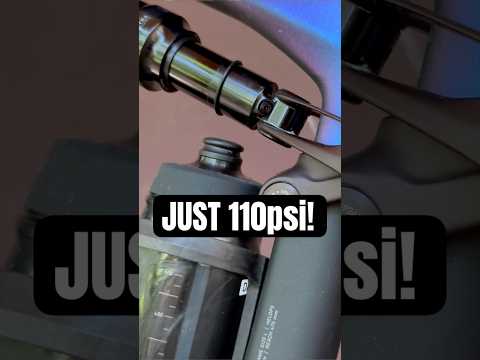 Low shock pressures on the new Canyon Lux TrailShock pressures on the new Canyon Lux Trail are really low. At 75kg I was running just 110psi. A flex-stay rear end saves weight ...0 Kommentare 0 Anteile 252 Ansichten
 - WWW.BIKERADAR.COMGarmin buys TrainingPeaks and TrainHeroic in move that could reshape the cycling training landscapeGarmin has acquired TrainingPeaks and TrainHeroic in a move that could make its fitness ecosystem even more compelling for cyclists. However, it raises questions about the future of one of endurance sport's most popular training platforms.The GPS giant announced it has purchased the two coaching and training services from Peaksware Holdings, bringing a platform used by millions of riders, runners, swimmers and coaches under the Garmin umbrella.TrainingPeaks has become one of the go-to platforms for structured cycling training, enabling riders to receive coaching plans, schedule workouts and analyse their performance. Best cycling apps in 2026: 21 of the best iPhone and Android apps to download Financial terms of the deal were not disclosed. Training Peaks The platform currently works with devices from Garmin, Wahoo, Hammerhead, Coros and others, although for how much longer is not known.Garmin says the acquisition will expand access to personalised coaching by combining its hardware and software with TrainingPeaks' expertise in structured training. Training Peaks currently works on an array of devices. Scott Windsor / Our Media "TrainingPeaks and TrainHeroic share Garmin's passion for empowering athletes and coaches around the world with world-class training tools, performance metrics and actionable insights," says Garmin co-chief operating officer Brad Trenkle.While Garmin hasn't announced any immediate changes to either platform, the longer-term implications could be far more significant than the acquisition itself.The biggest question is whether Garmin will eventually integrate TrainingPeaks more deeply into Garmin Connect, creating a native coaching experience within its own ecosystem. If that happens, Garmin would be able to offer athletes everything from training plans and coaching to workout execution, ride recording and post-ride analysis without leaving its own apps and devices.For existing Garmin users, that could mean a smoother experience. For everyone else, however, it could eventually present a dilemma.Many cyclists rely on TrainingPeaks regardless of which GPS computer they use. If Garmin were to introduce exclusive integration or features for Garmin users, athletes invested in TrainingPeaks could find themselves questioning whether it still makes sense to use a Wahoo ELEMNT, Hammerhead Karoo or rival head unit.There's no indication Garmin intends to make TrainingPeaks exclusive, and keeping the platform open makes commercial sense given its broad user base. However, the acquisition gives Garmin the opportunity to tighten its ecosystem.0 Kommentare 0 Anteile 217 Ansichten
- WWW.CYCLINGWEEKLY.COM'I always have the map on my screen' what data screens do Tour de France cyclists use, and how do they differ from your bike computer?As Tour de France cyclists switch between screens on their bike computers and pause them as soon as they cross the line, you may have wondered what they're looking at and recording.To their detractors, the best bike computers make racing more predictable and diminish the breakaway's chances. But they are here to stay despite a recent ruling by cycling's governing body, the UCI. It announced a restriction on bike computer size, in case riders get distracted by the supposed plethora of data at their fingertips. These fears seem to be overblown based on what we've found out about how professional cyclists use their head units in races. Green Jersey wearer Mads Pedersen might have his averages on a different screen, but one we can see only shows current speed, power, BPM, RPM, distance, ride time, and clock (Image credit: Wahoo)Bigger isn't better for racingUnlike some of the UCI's equipment rules, its ruling on bike computer size isn't set to inconvenience elite riders. Computers such as the Wahoo Elemnt Ace are nowhere to be seen, with most riders opting for smaller models for marginally lower weight and drag.Wahoo told us the WorldTour teams it sponsors tend to use the smaller Elemnt Bolt instead of the larger Roam or Ace. Garmin-sponsored teams also prefer its svelter head units in competition over the big Edge 1040 and 1050. LottoIntermarch's Georg Zimmermann says: "I use the Edge MTB because its the lightest option."Bike computers are a good way for pros to save weight because, being removable, they don't count towards the 6.8kg UCI weight limit. Weighing just 58g, Edge MTB is half as heavy as larger models, making it popular among VismaLease a bike riders too.Some riders, like Netcompany-Ineos' Sam Watson, prefer more data and a larger screen in training than in races. "In training I prefer the Edge 1050 because of its large screen," says the former British road race champion, who was not selected for this year's Tour. "Everything is easy to see, and I almost always ride with maps enabled, as I like seeing clearly where Im going."For racing, I use Edge 850. Because its light and smaller, I like to think theres a marginal advantage in it, and during races Im generally not looking at my screen very often and focus on the race itself."I like to train with the Edge 1050 because the larger display is ideal for navigation and makes all my data easier to read. But in races I keep things simple. My maps screen also displays only distance and time."During training, I switch between several screens: one for structured efforts, one for general riding, and a map screen when I am following a route. When I have my map screen on, I also display power and time."Most riders seem to prefer a map garnished with extra fields to help them navigate tricky descents or technical time trial circuits (Image credit: Wahoo)Mapping for safetyInstead of distracting riders, it seems bike computers have a role in safety. "I always have the map on my screen," says current British road race champion Fred Wright, who races with the Garmin Edge 850. "For me, its important to know how long it is until the next corner, especially at the more crucial points in the race. "Alongside the map, I display power and the elevation profile because I like knowing when the next flatter section of the climb is coming up.Wright's Pinarello Q36.5 teammate Tom Pidcock uses his Edge 850 in a similar way."I always use the same data screen: power, speed, lap time, lap distance, heart rate and cadence," says the Olympic cross-country mountain bike champion. "I also have a map showing lap time and the distance to my destination, so I know how far I still have to go.Zimmermann also displays maps on his Edge MTB and configures nutrition alerts. "During races my main screen shows the map with the GPX course, current power output and a timer," he adds. "I use the map to know where were heading and the time to keep track of my nutrition, so I know when its time for me to eat, which is every 30 minutes, and the power data helps me pace myself.Paul Seixas' screen displays metres climbed, altitude, heart rate and maximum speed (Image credit: Wahoo)Data differencesPaul Seixas, the 19-year-old Frenchman who is fourth in the general classification, also has a map screen, but his is busier than most riders'. We caught a glimpse of it on his unreleased Van Rysel RCR-Pro.During stage 14 from Mulhouse to Markstein Le Fellering, he displayed metres climbed, altitude, average heart rate and maximum speed. The elevation data makes sense on a mountain stage, but the other two readings seem less crucial. The other data screen on his Bolt is also quite crammed. It displays current and average power, speed, BPM and cadence, as well as distance and time.His nine data fields contrast to Mads Pedersen's seven. The Green Jersey wearer might have his averages on a different screen, but one we can see only shows current speed, power, BPM and RPM. The Dane must like keeping track of time, as he has clock and ride duration fields. Alex Baudin has kept the polka dot trim around his Bolt from when he wore the climber's jersey earlier in the race. The Frenchman's data screen has a similar layout to Pedersen's, with additional average speed and altitude. Alex Baudin's polka-dot-themed Wahoo Elemnt Bolt has a similar layout to Pedersen's, with additional average speed and altitude (Image credit: Wahoo)Only the essentialsAnother common theme is that riders are also tracking a few data points during races, such as core body temperature and ventilation sensors, but generally don't look at these metrics while racing. Cofidis rider Jenthe Biermans did have the Core heat sensor connected to his Wahoo on the rest-day recon of the individual time trial, which he crashed out of. But this appears to be on a 'training' data screen. His map screen is sparse, with only distance and distance to go at the top. The breakaway star of the 2026 Tour France, Baptiste Veistroffer, also keeps things simple on his Edge 850, which he likes for the "balance of screen size and data visibility."He adds: "The metrics I pay the most attention to are power and heart rate. The screen I use most often is the map page, with distance and power data displayed at the bottom.0 Kommentare 0 Anteile 221 Ansichten
- CYCLINGUPTODATE.COM"The goal is to start tomorrow with the same lead" - Remco Evenepoel downplays general classification fireworks speculation ahead of stage 18Stage 18 of the 2026 Tour de France introduces the peleton to the Alps with a mountain-top finish and a lighter curtain-raiser before two brutal stages on Friday and Saturday. Ahead of the finale of La Grand Boucle, Remco Evenepoel made his first gains on Tadej Pogacar in recent stages. Beginning wi...0 Kommentare 0 Anteile 198 Ansichten
-
 National heroes, global superstars and a few surprising picks... who made the list? #cyclingTNT Sports marks a new era in sports broadcasting in the UK and Republic of Ireland across TV, streaming, digital and social ...0 Kommentare 0 Anteile 210 Ansichten

 English
 Arabic
 French
 Spanish
 Portuguese
 Turkish
 Dutch
Dutch
 Italiano
 Russian
 Romaian
 Portuguese (Brazil)
 Greek
Greek